Between March 1991 and January 2002, Sierra Leone suffered an armed conflict between the RUF (Revolutionary United Front) and the Regular Forces that resulted in thousands of deaths among the civilian population. Rebel forces were razing homes and villages. Thousands of people were subjected to cruel amputations watching their homes burn down and their families killed. All the protagonists of the armed conflict financed their activities with the exploitation of diamond mines.
It is estimated that the diamond fields in the east of the country extend for more than 7,770 square kilometers. In addition to diamonds, Sierra Leone has abundant minerals such as rutile, bauxite, gold and iron ore. However, despite being a country extremely rich in natural resources, it is also extremely poor.
A child born in Sierra Leone has the lowest chance of living in the world. Ancestral beliefs, ignorance and neglect of society, together with political disinterest and the bloody civil war, led this West African country to a reality of extreme poverty.
Sierra Leone has the highest maternal mortality rate (1,360/100,000) in the world (XXX Source). Less than half of births are attended by a specialized person in Sierra Leone, contributing to thousands of mothers bleeding to death within minutes of giving birth, at home or on the way to a hospital.
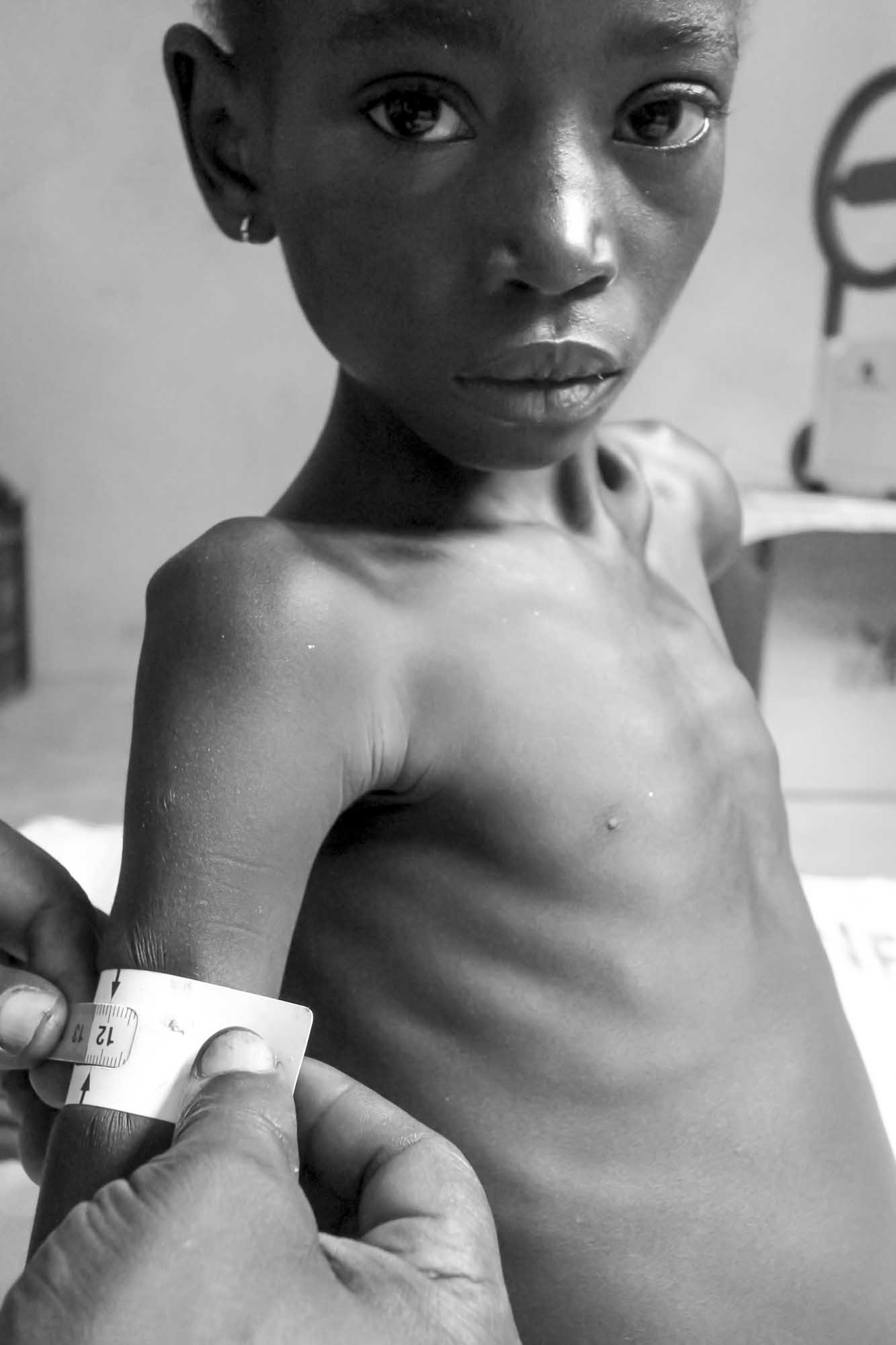
Babies who lose their mothers in the first 6 weeks are at higher risk of death. The lack of adequate nutrition is due to the loss of their mother or, in most cases, to the nutritional deficiency in breast milk and the absence of a varied diet in later years.
Sierra Leone, behind XXX (table updated to Juanga + Source) has one of the highest infant mortality rates in the world. It is estimated that during the first year of life, 114 children die for every thousand births. In turn, 174 out of every thousand children born do not manage to exceed 5 years of age.