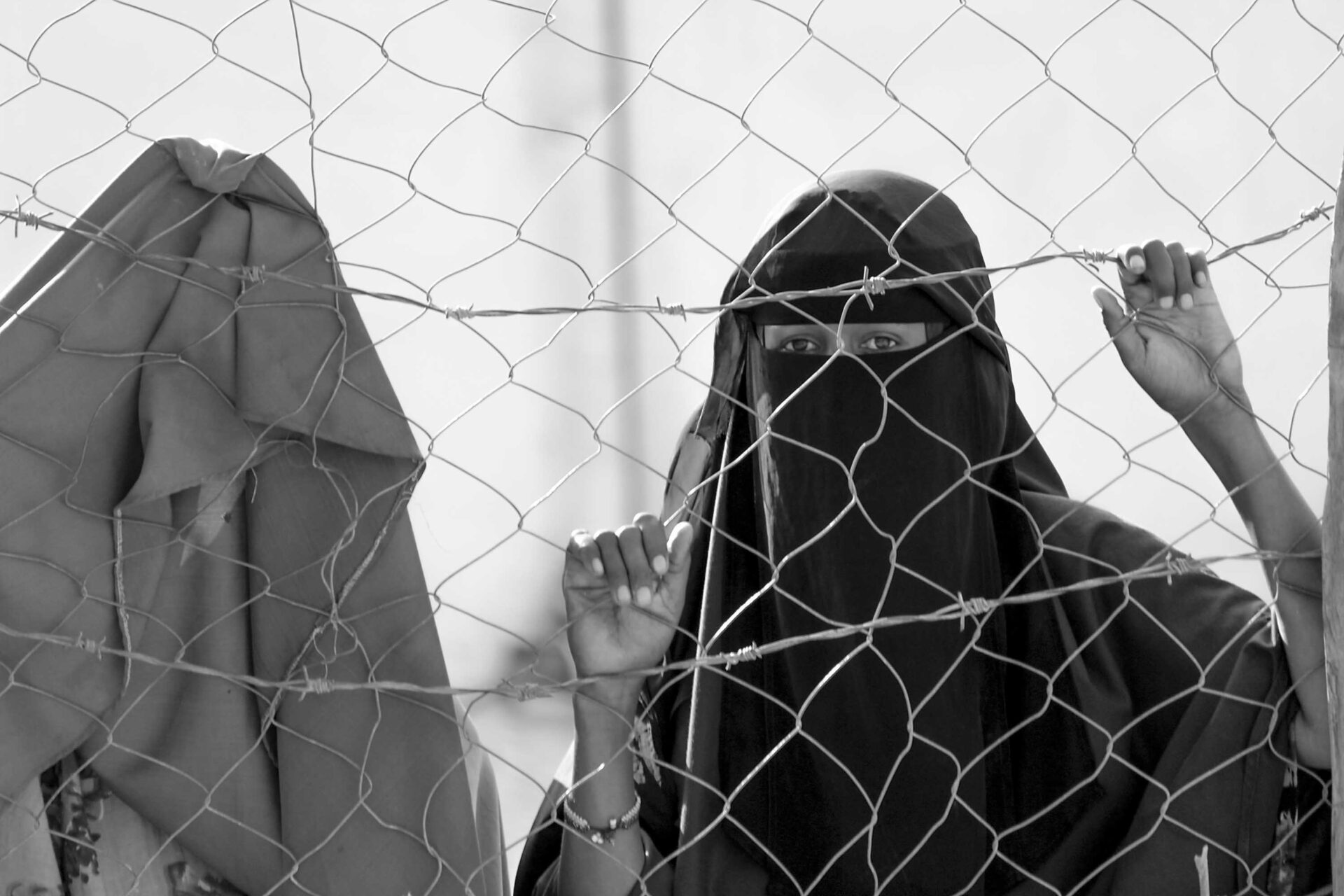
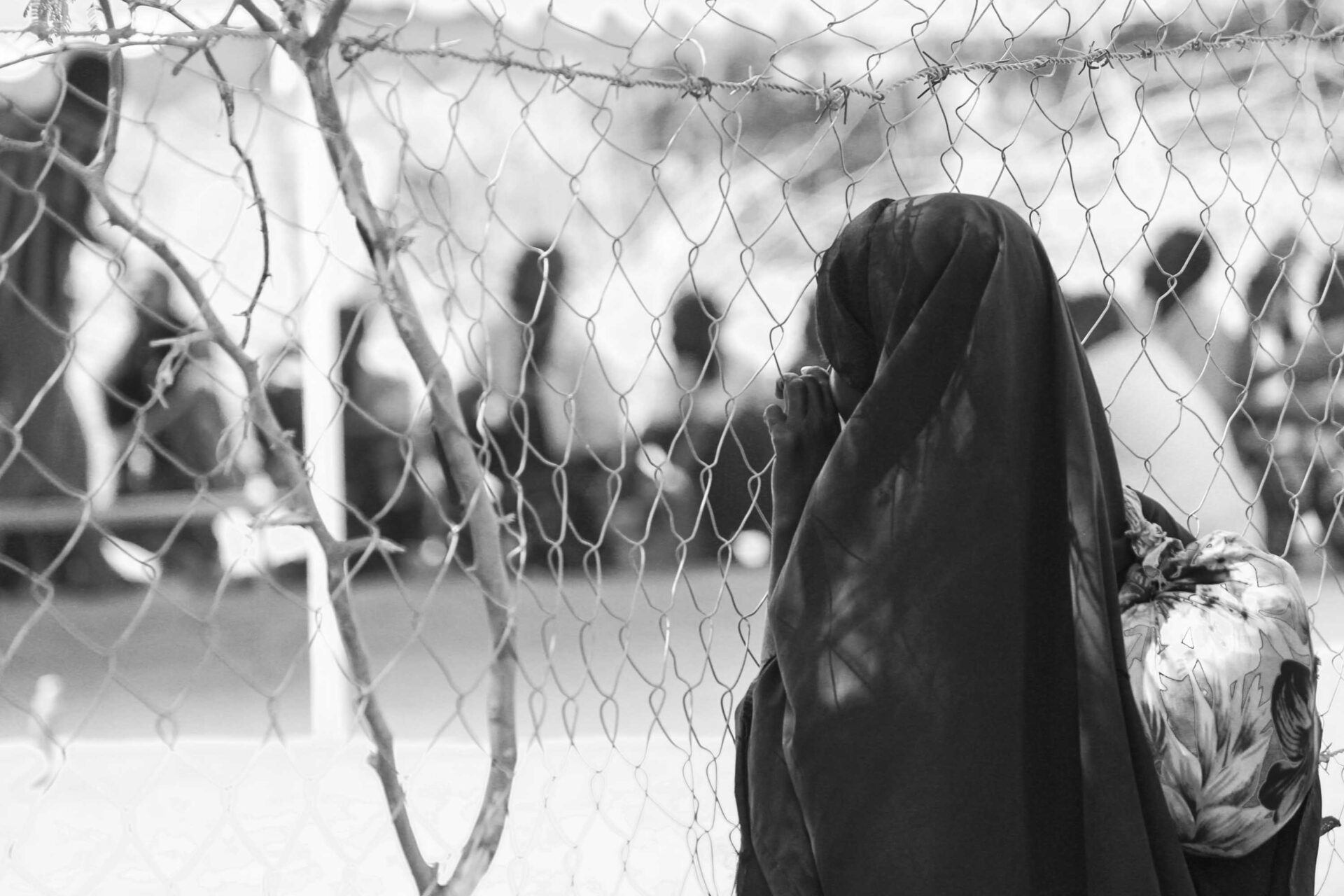
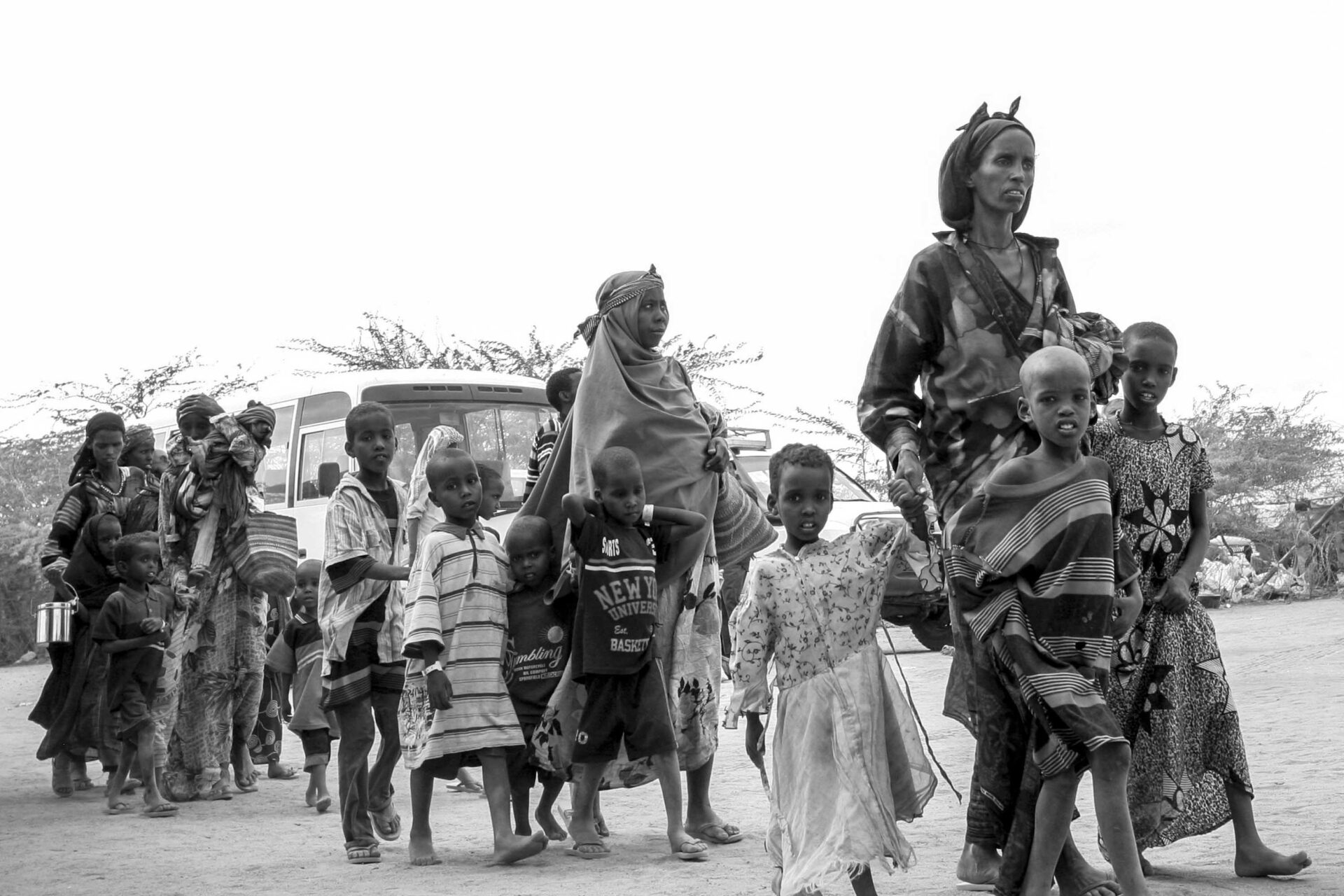
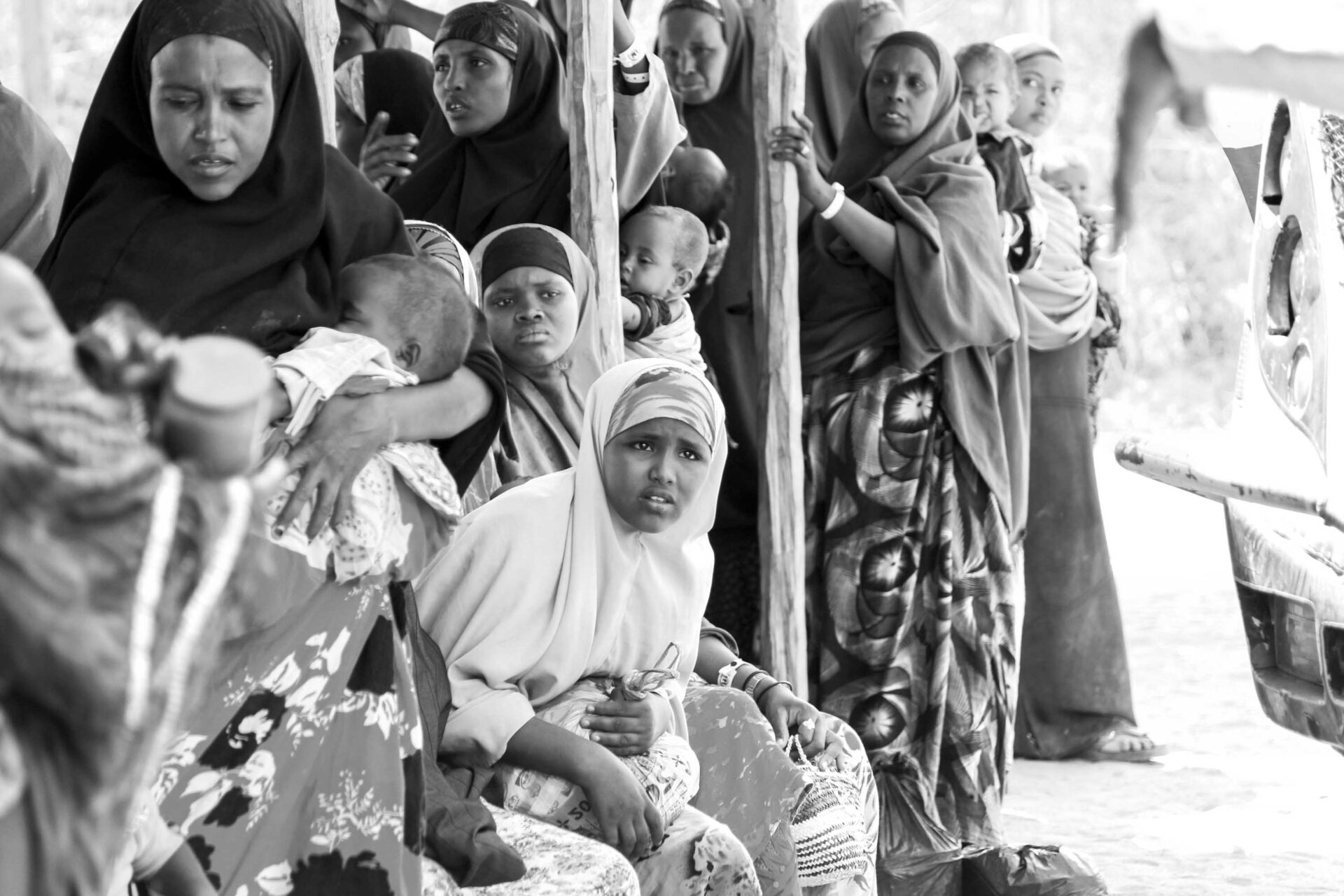
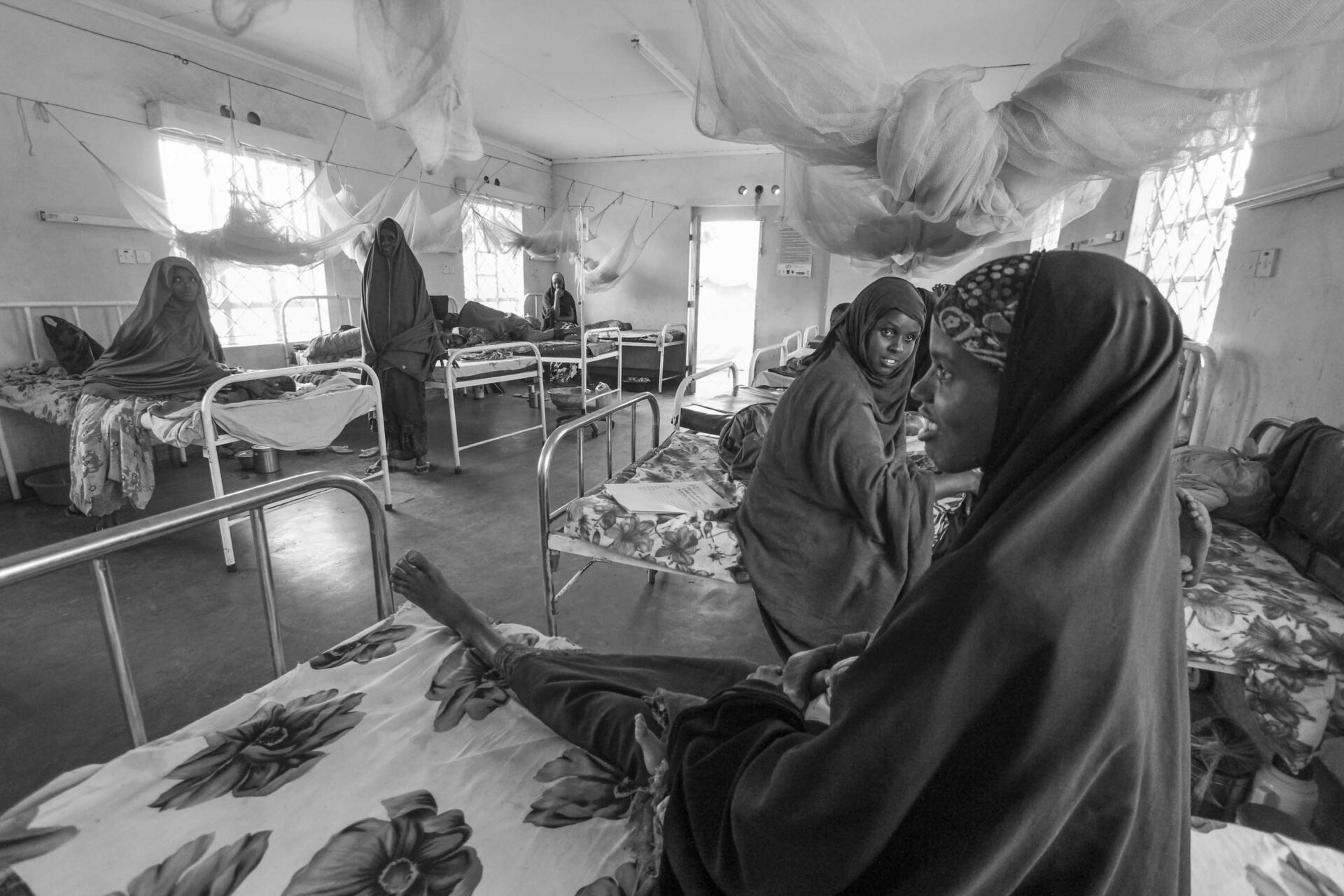
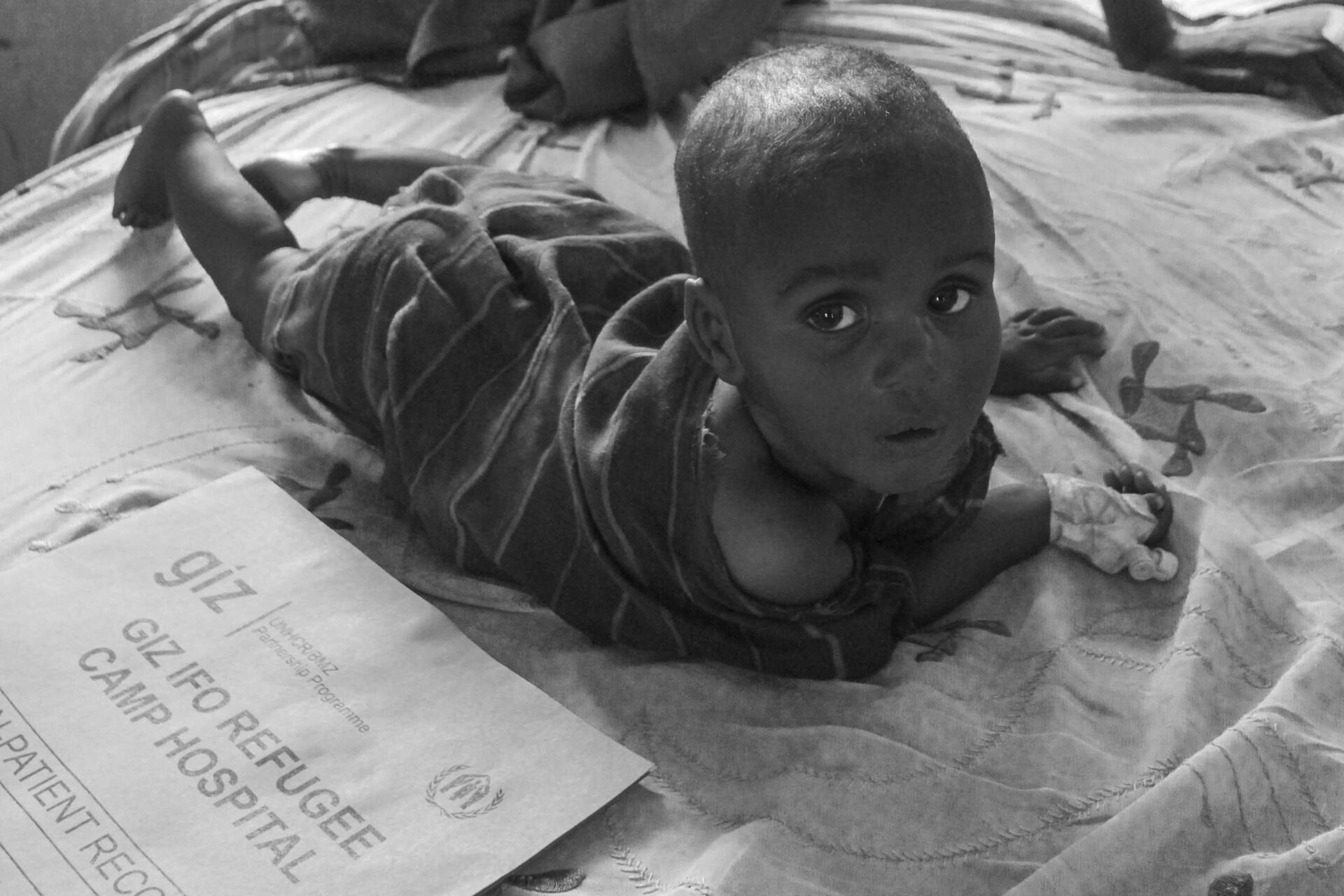
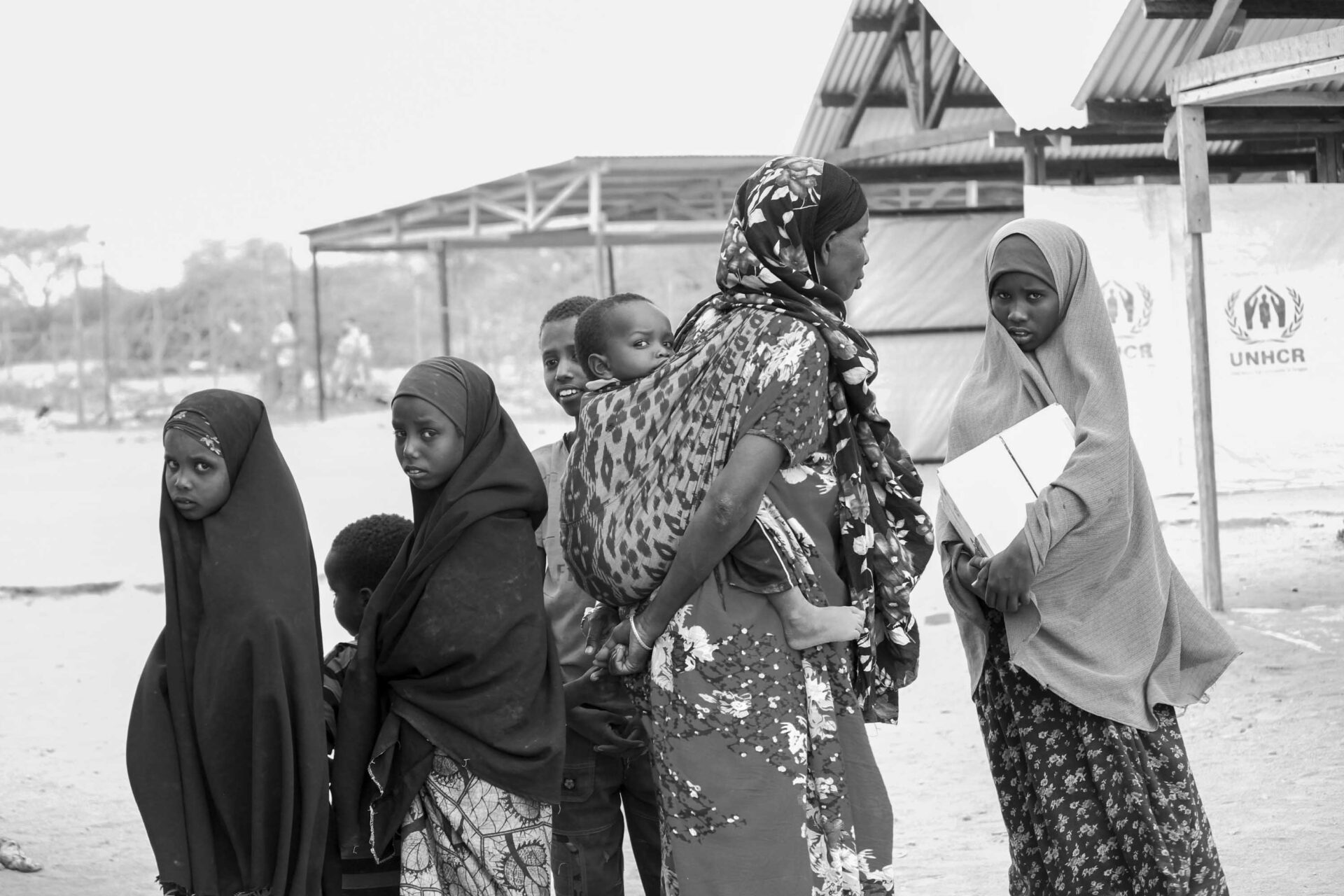
July 2011, the Horn of Africa is hit by the worst drought in the last 6 decades. Dadaab, the refugee camp in north-eastern Kenya, is made up of three settlements; Dagahaley, Ifo and Hagadera. Each one of them has an extension equivalent to 900 soccer fields. Founded in 1991 to house people fleeing the civil war in Somalia and prepared to house no more than 90,000 people, it has more than 300,000 inhabitants.
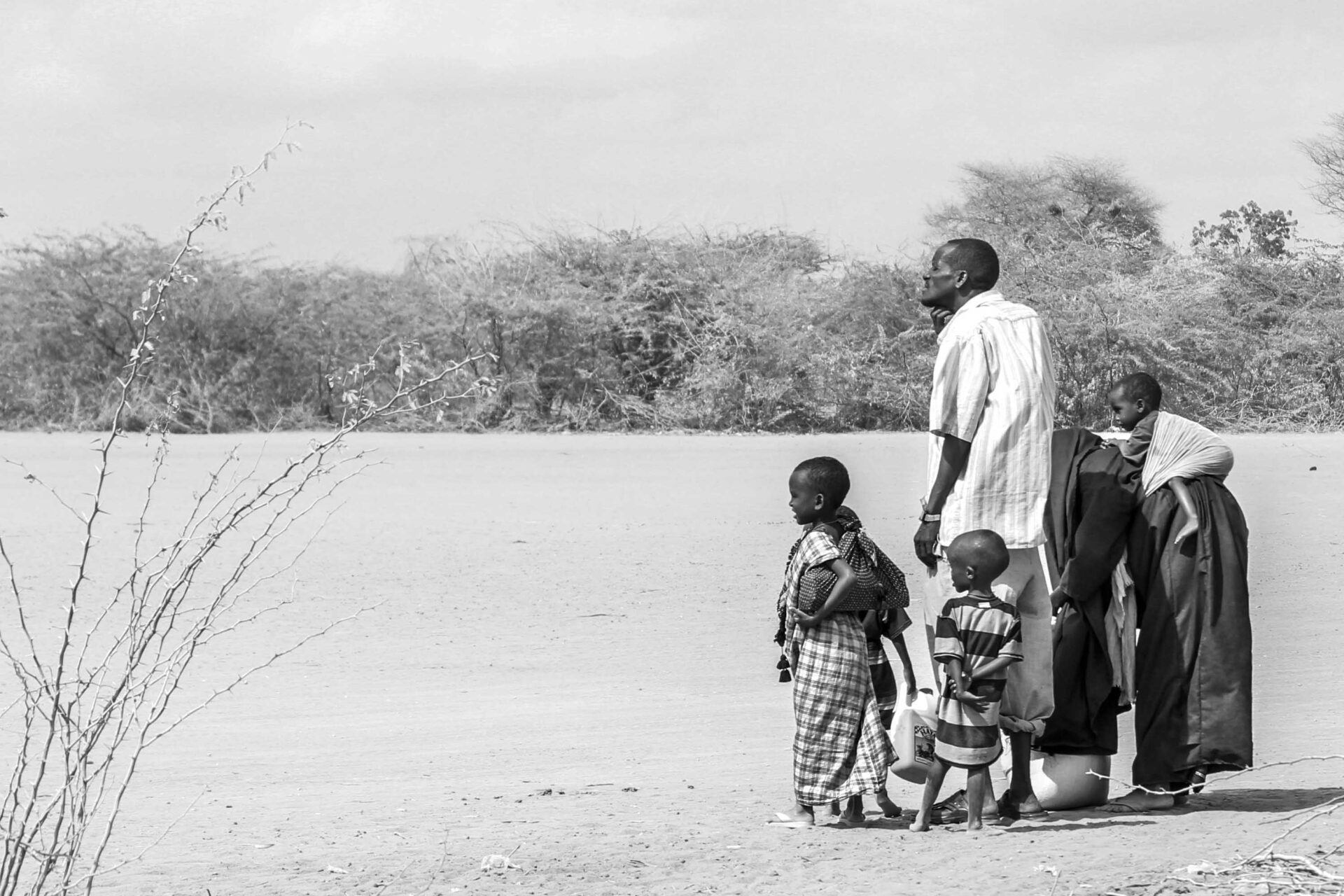
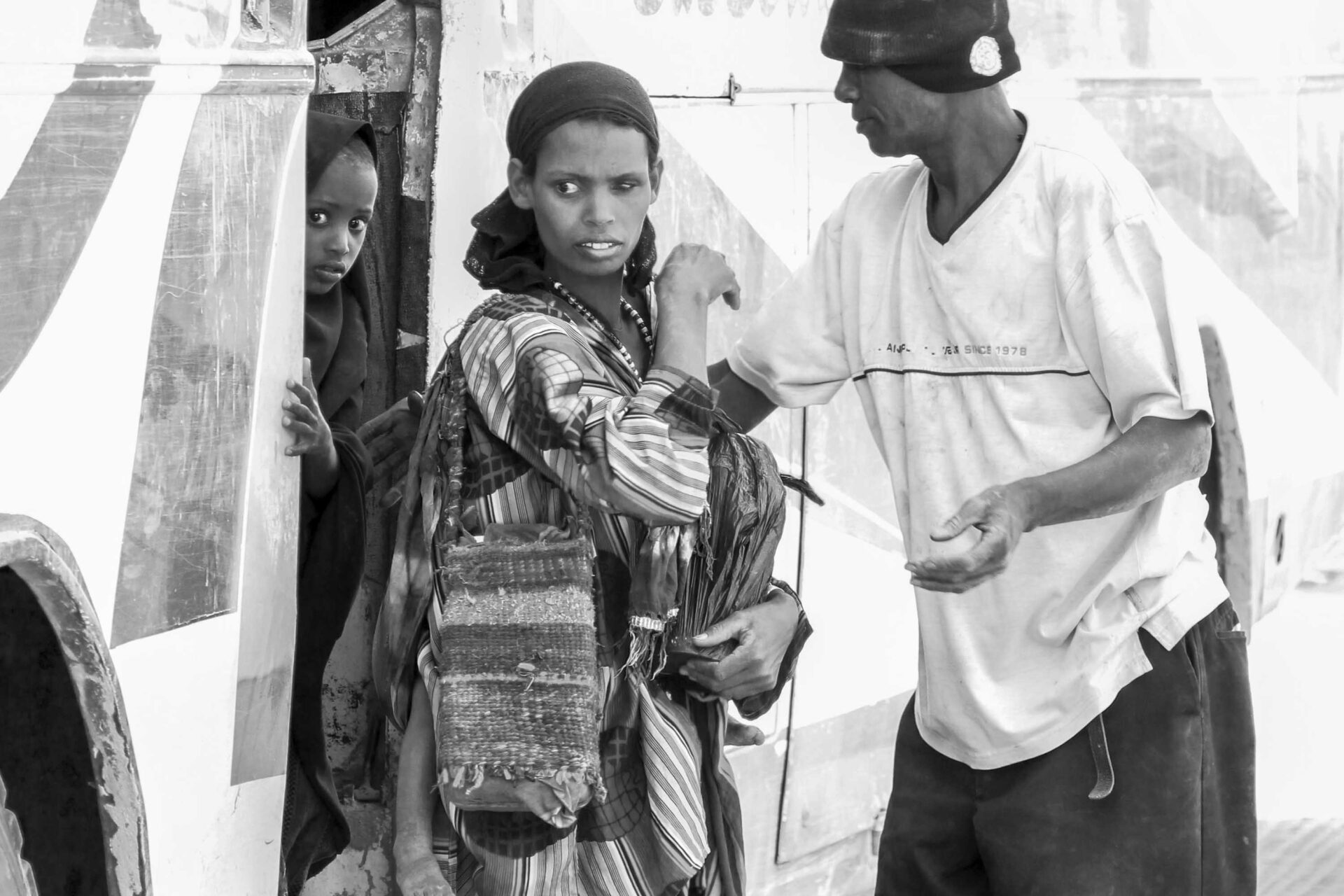
To the violence of the Somali conflict, plunged into chaos for more than 20 years, and the abuse of the population by Al Shabab, a radical fundamentalist group that controlled a large part of the country, was added to a devastating drought. With no end to the conflict in sight, the number of refugees fleeing to Kenya and other countries in the Horn of Africa continues to grow.
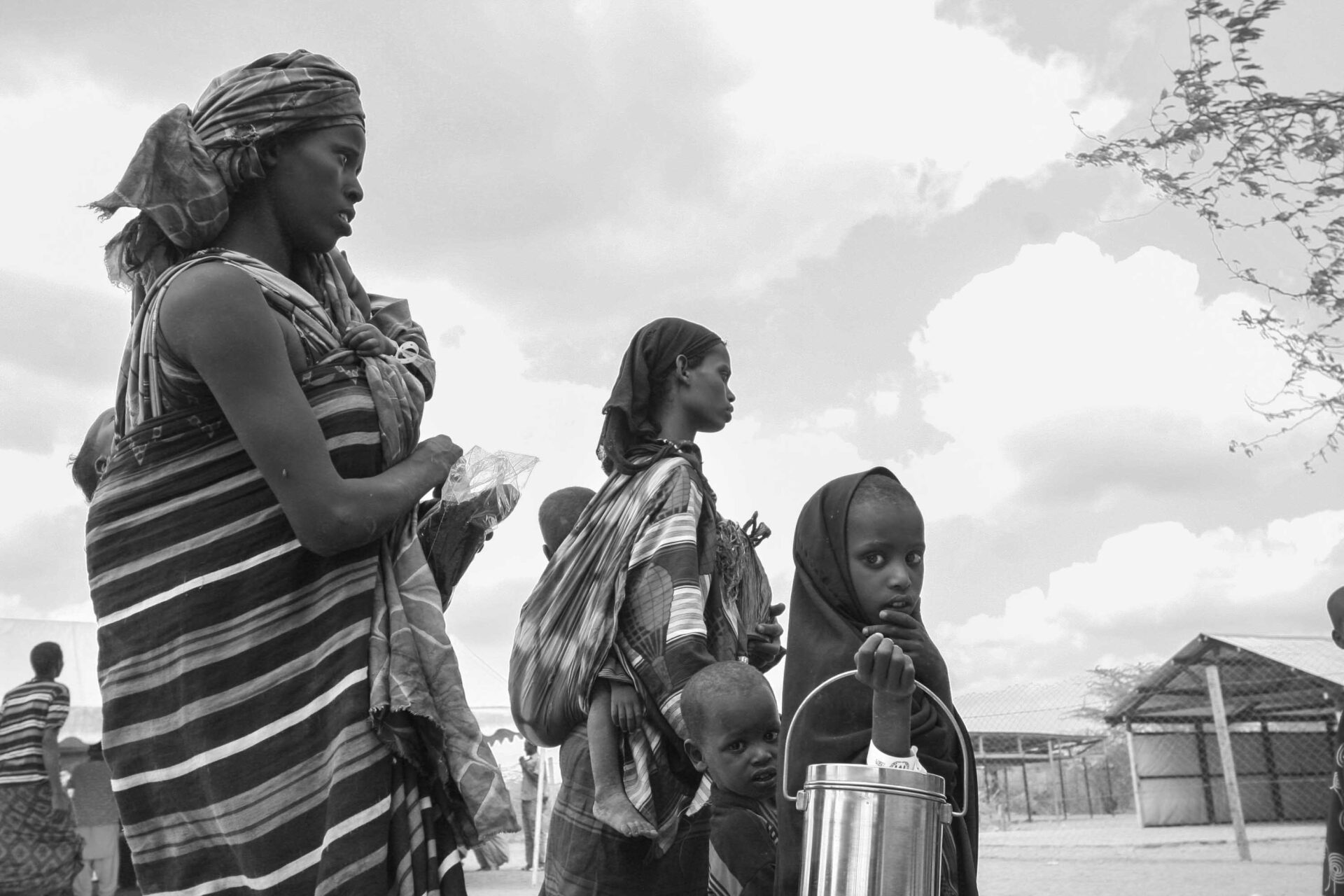
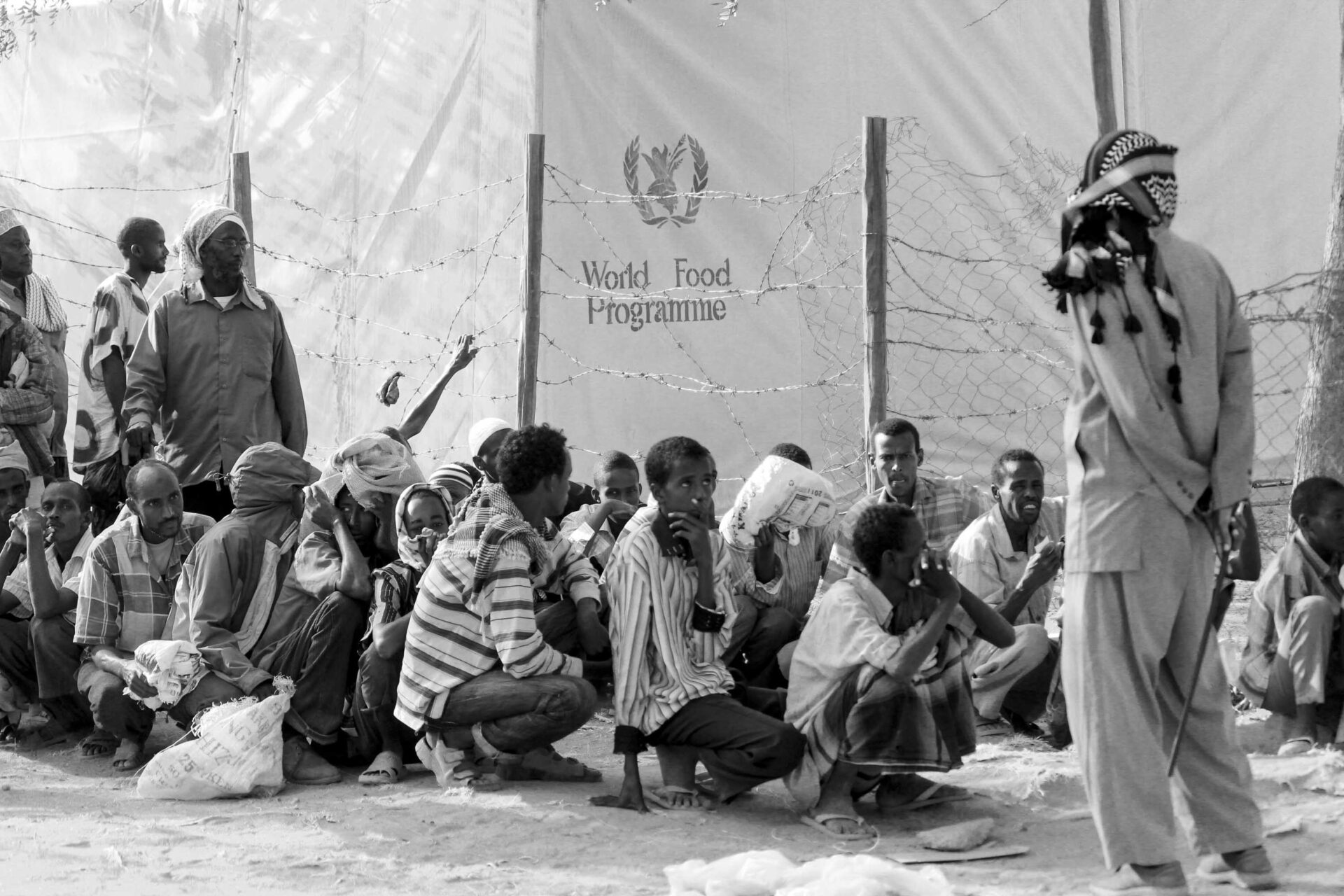
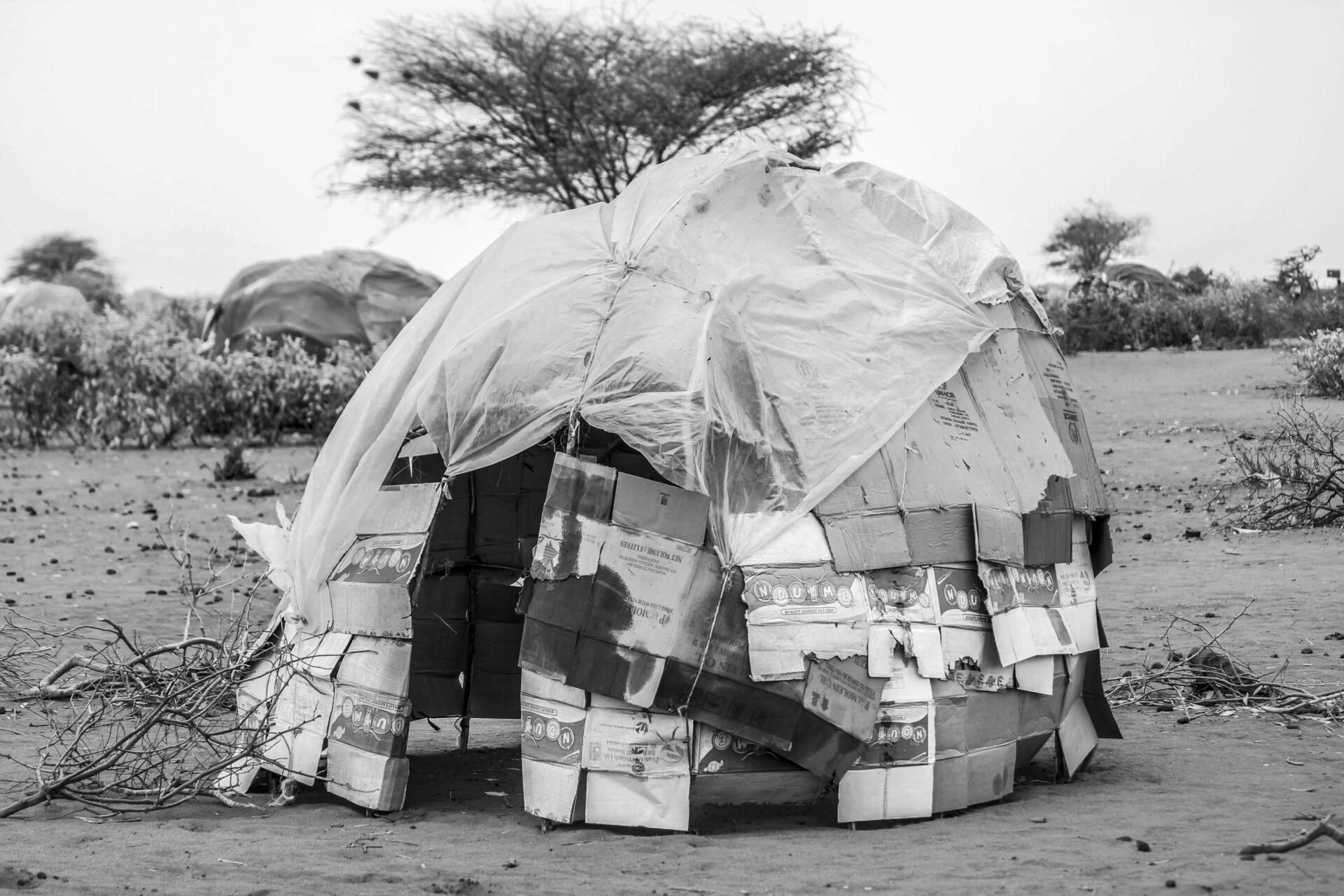
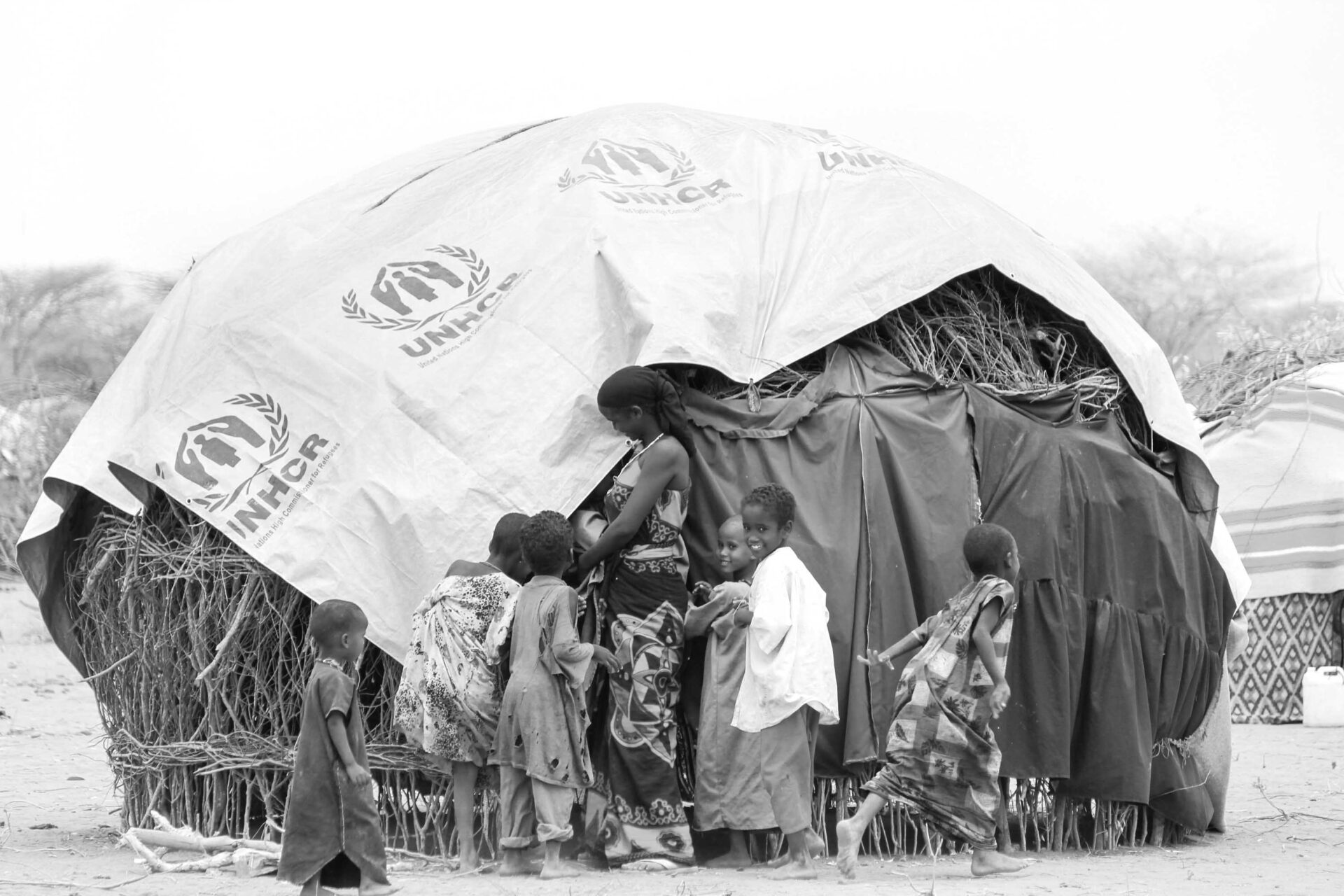
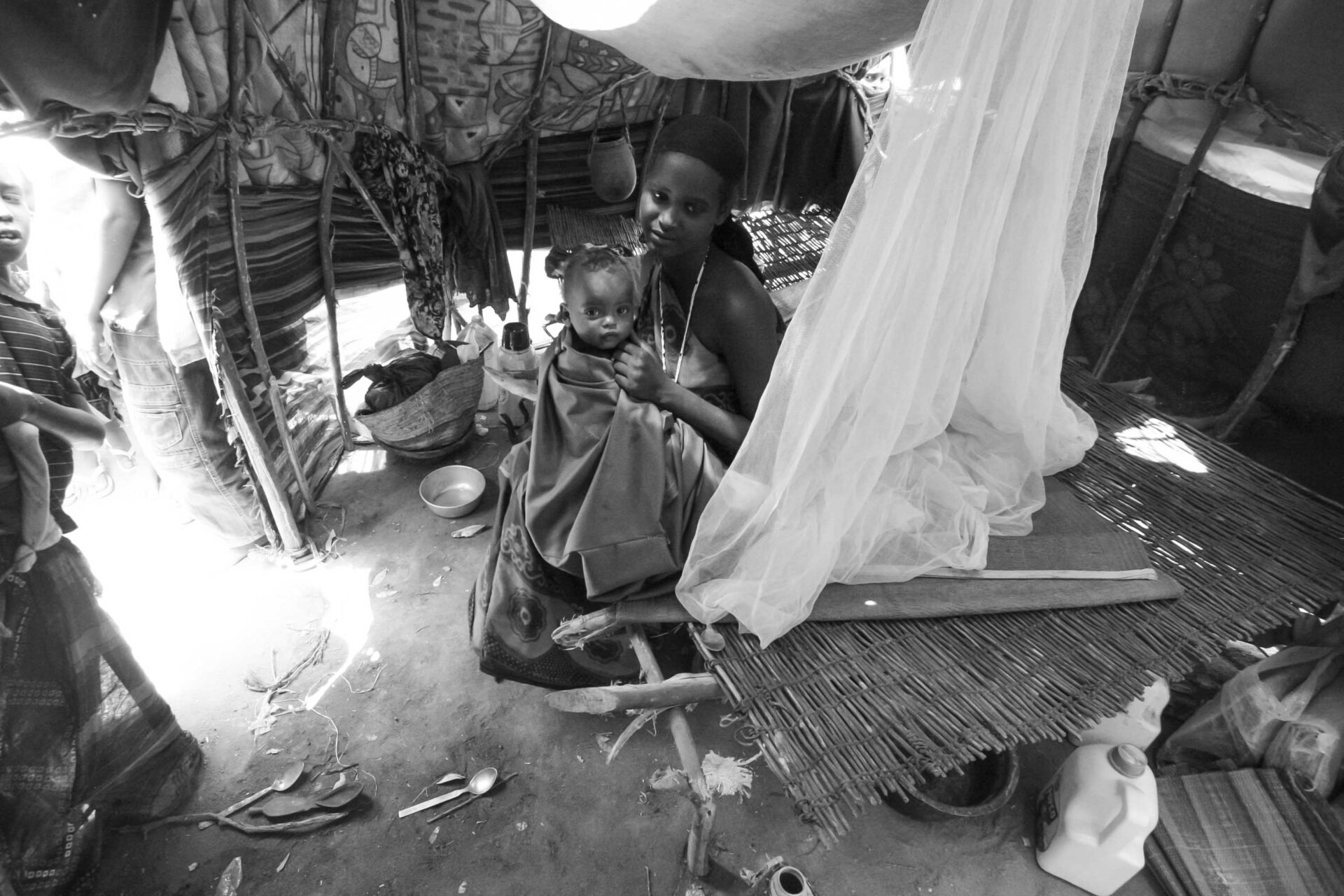
They must make a journey of no less than 30 days walking without eating or drinking, exposed to abuse by soldiers and presenting malnutrition rates that border on the emergency threshold. Upon arrival and registration, a refugee receives a card to access the food provided by the WFP approximately forty days later. Food rations are not enough. Water is also not enough for everyone. It only has 18 water sources for more than 300,000 people. The less fortunate have to walk up to 3km and it is often over before their turn arrives. Hundreds of thousands of igloos made of straw and branches, or simply made of cardboard, are scattered among kilometers of sand and bushes. Those who arrived years ago have even put white plastic from the UN on the roof, or doors made from food cans donated by the USA.
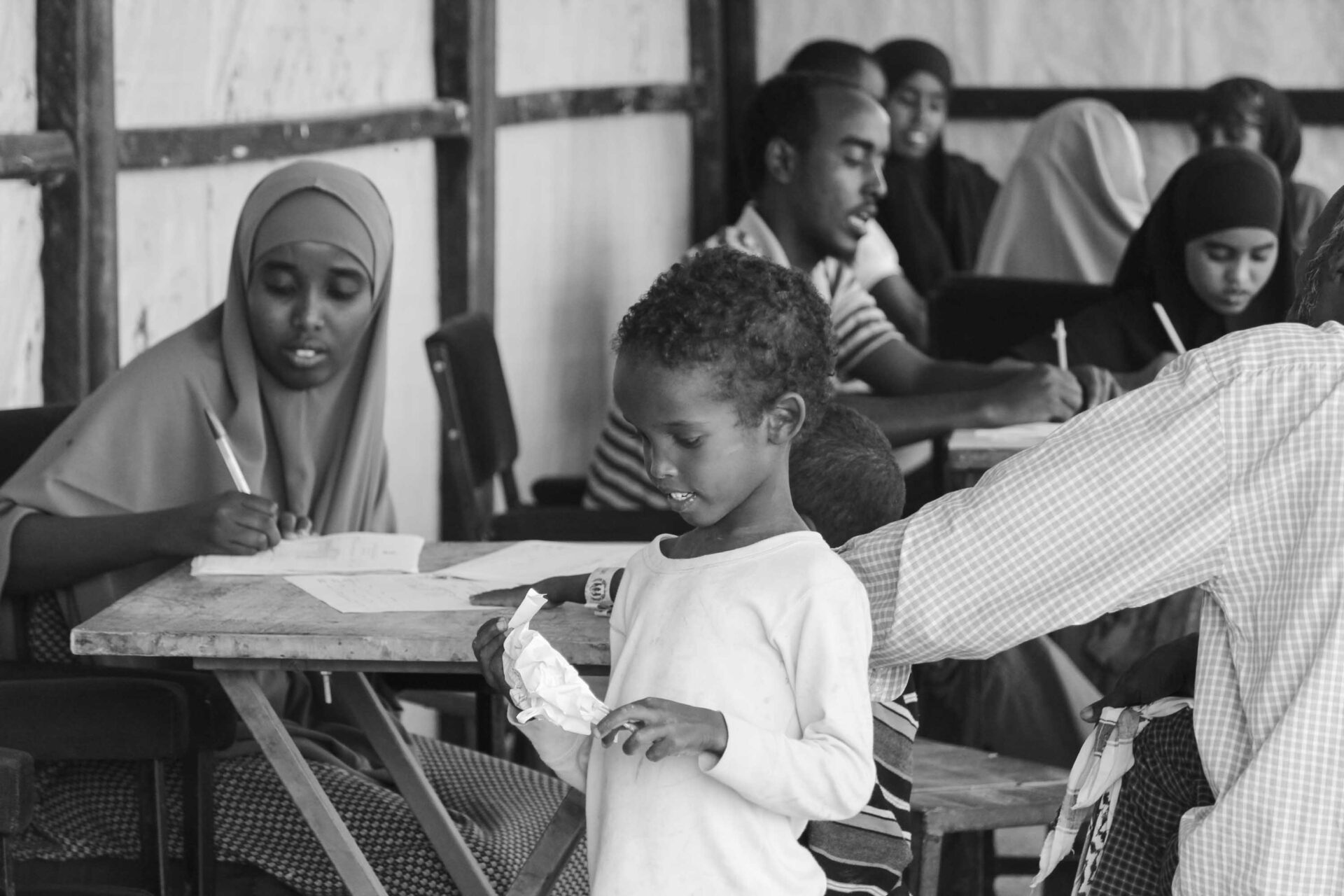
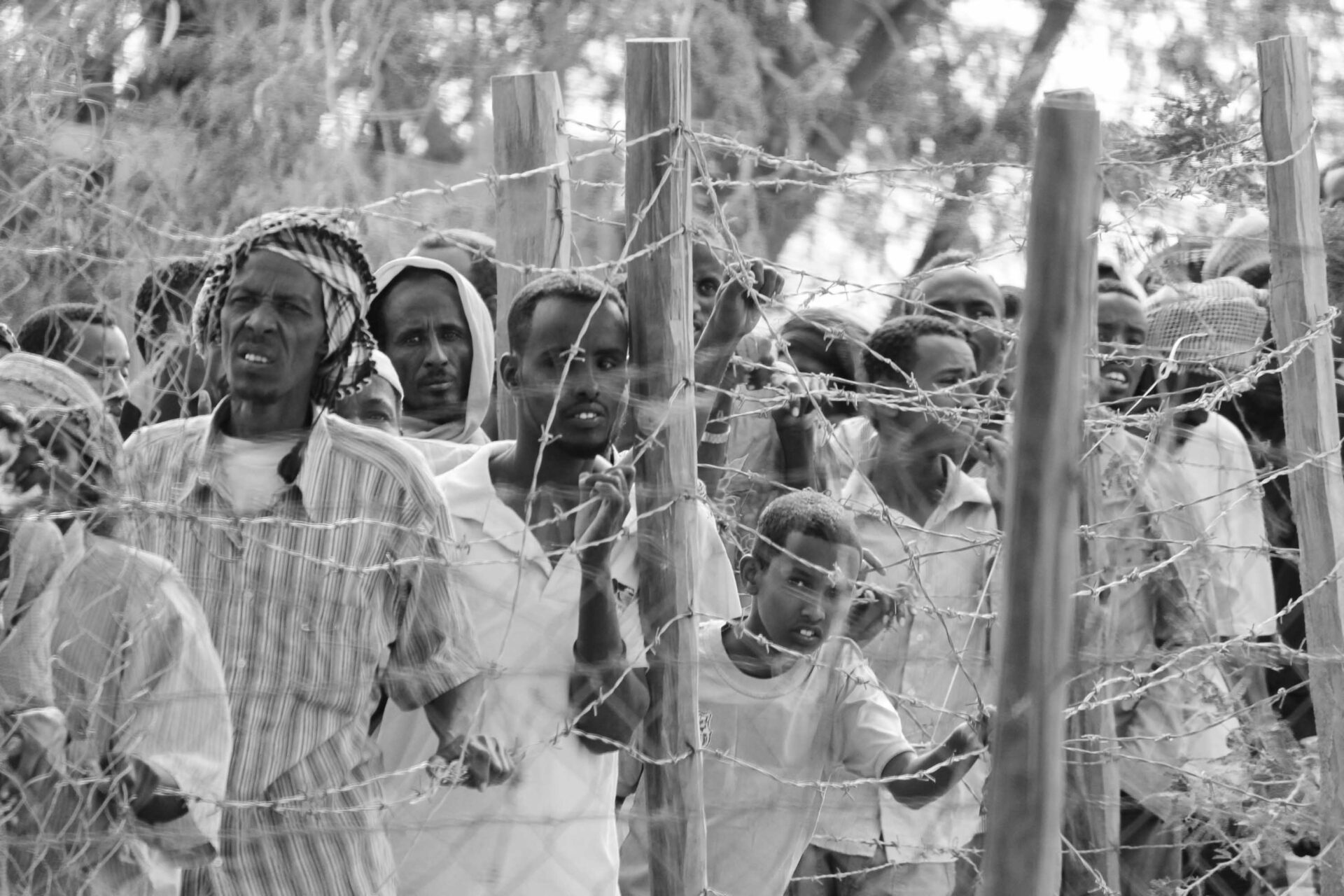
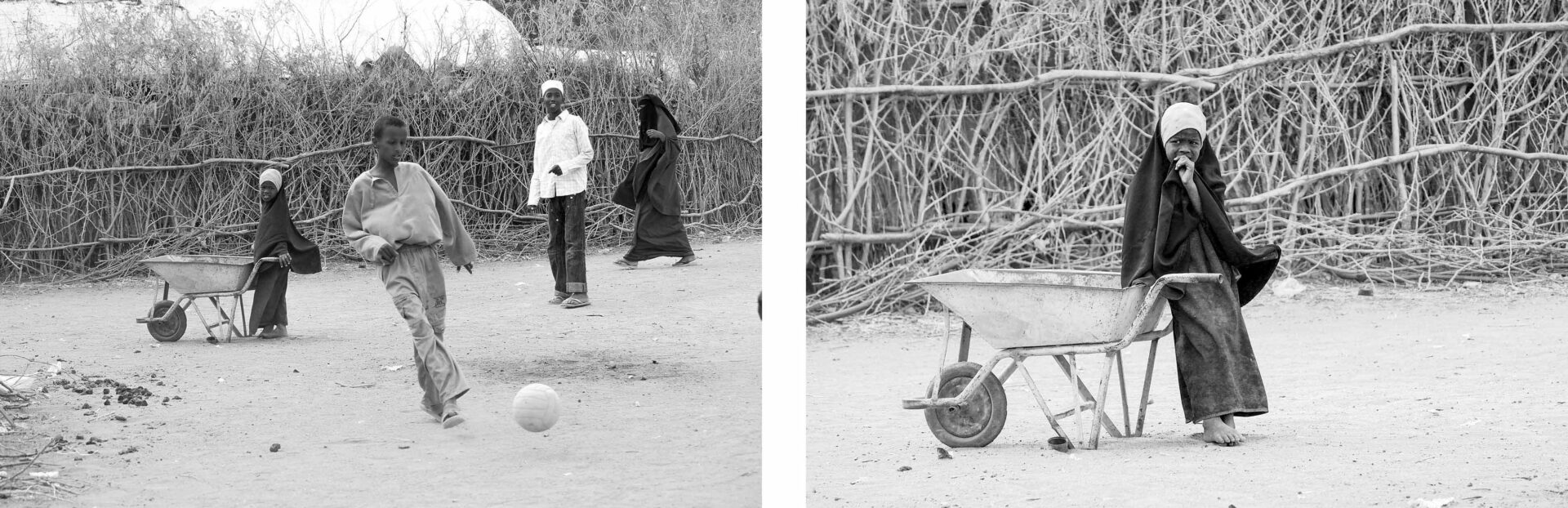
There are those who only know this world, they were born and raised here. The Government does not allow refugees to integrate into society. If they are detected by the police outside the confinement zone, they are fined, detained and even illegally expelled.

Dadaab 01
Dadaab 02
Dadaab 03
Dadaab 04
Dadaab 05
Dadaab 06
Dadaab 07
Dadaab 08
Dadaab 09
Dadaab 10
Dadaab 11
Dadaab 12
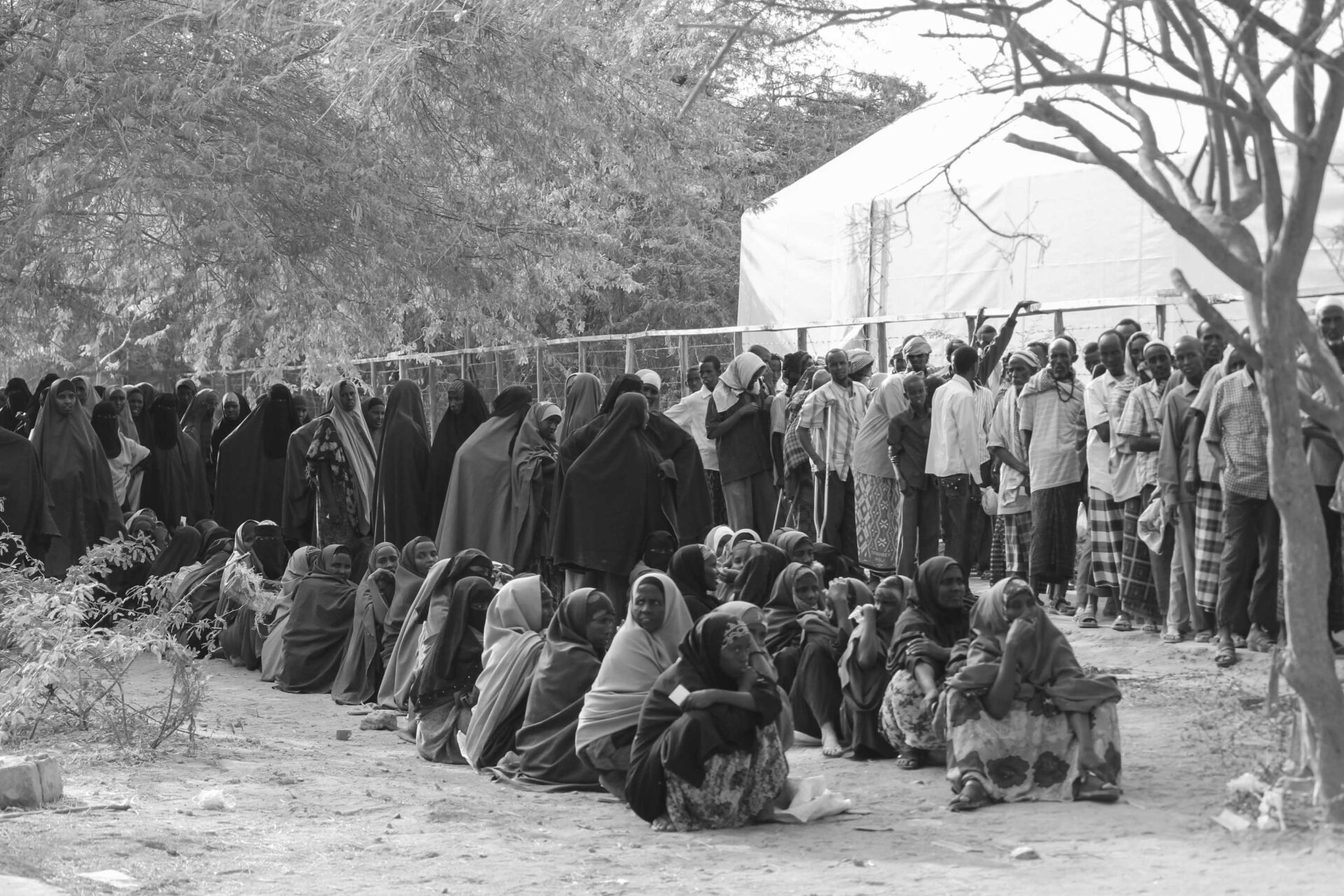
Dadaab 13
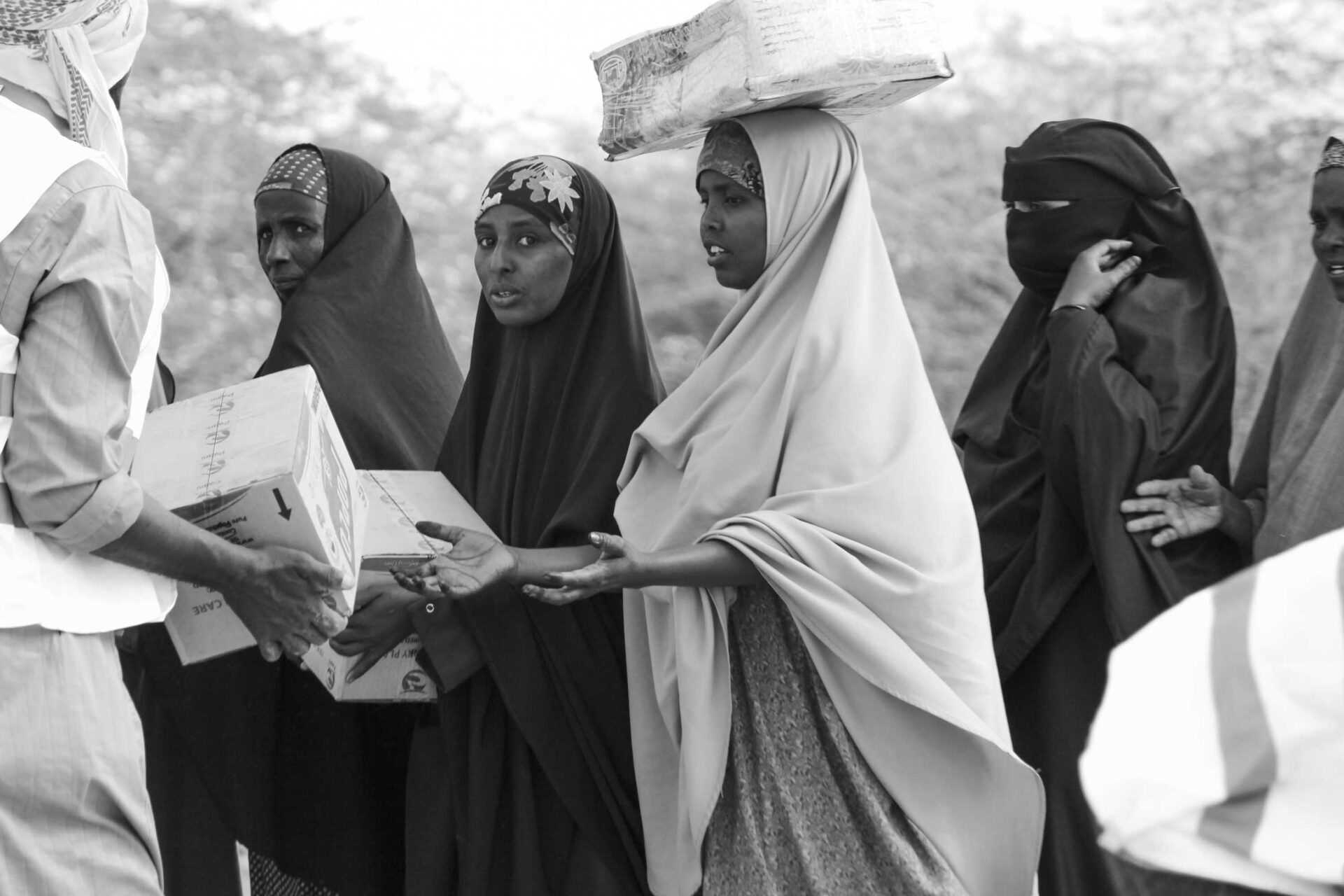
Dadaab 14

Dadaab 15 16
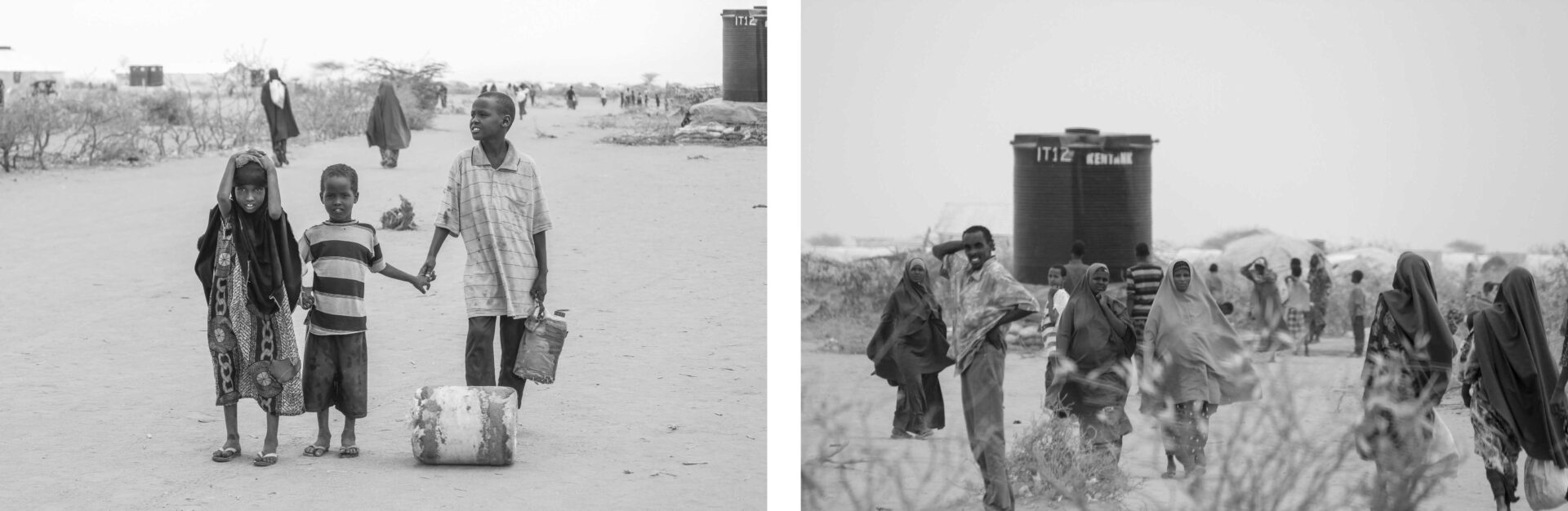
Dadaab 17
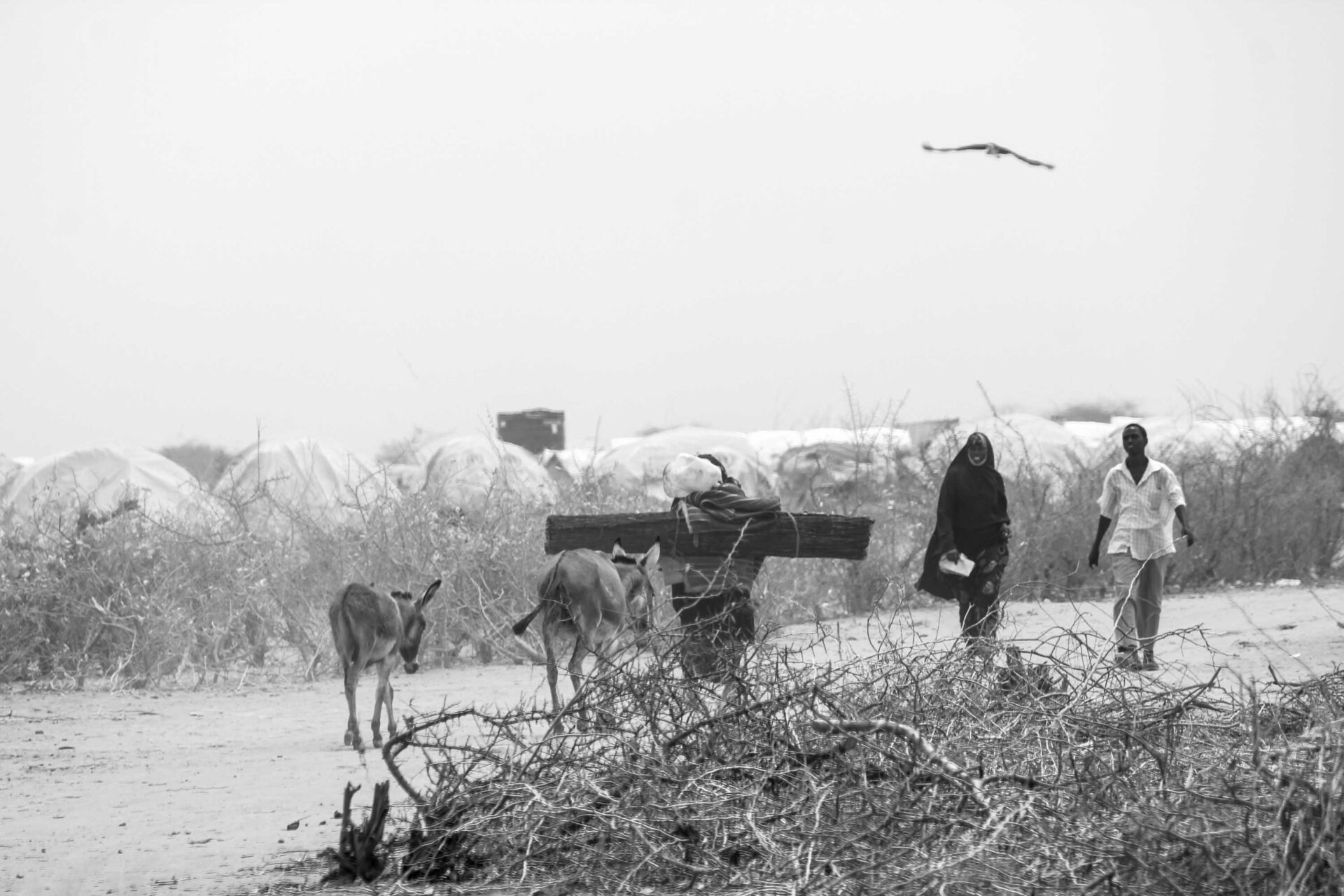
Dadaab 18 19
Dadaab 20

Dadaab 21
Dadaab 22
Dadaab 23
Dadaab 24

Dadaab 25
Dadaab 26