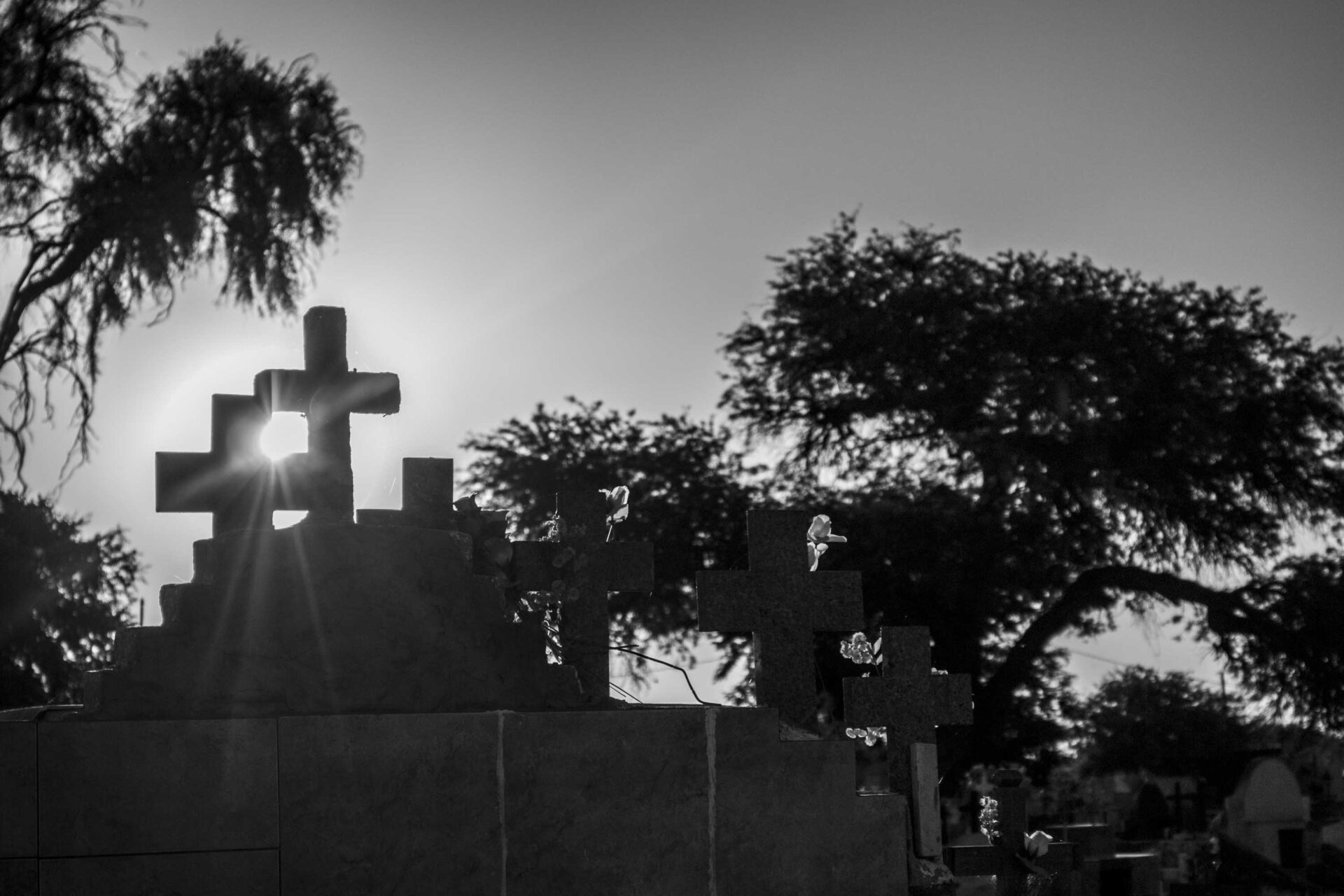
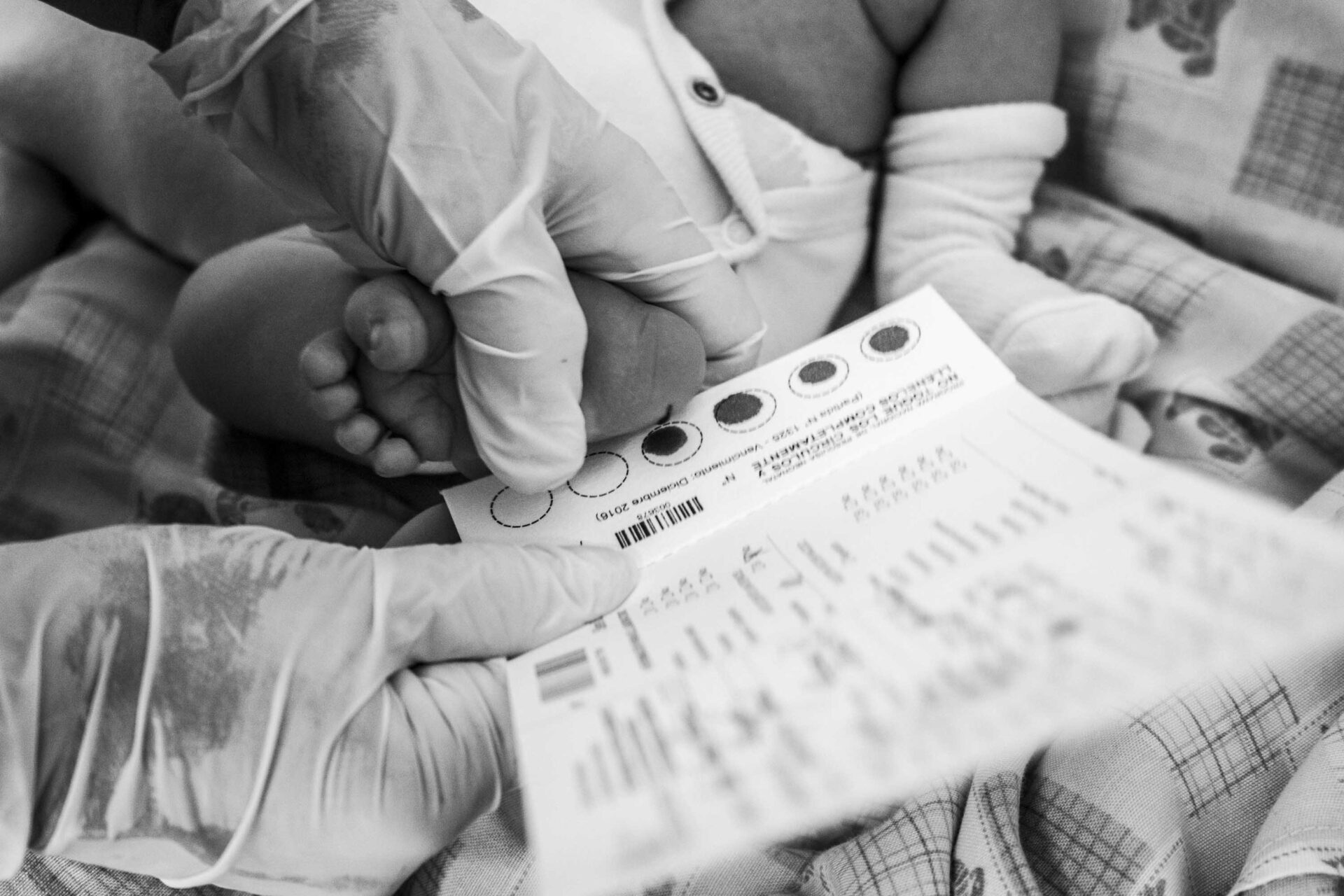
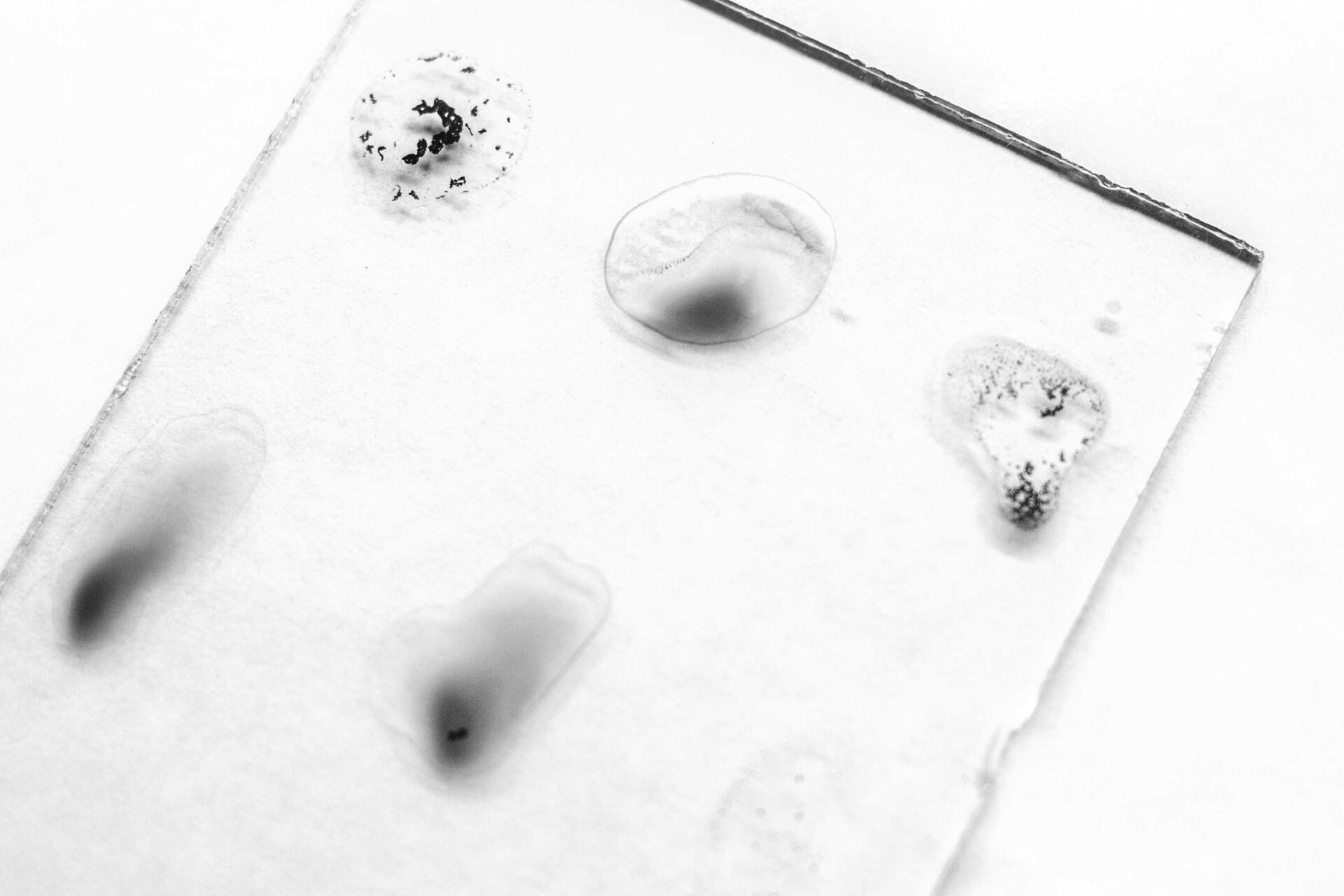
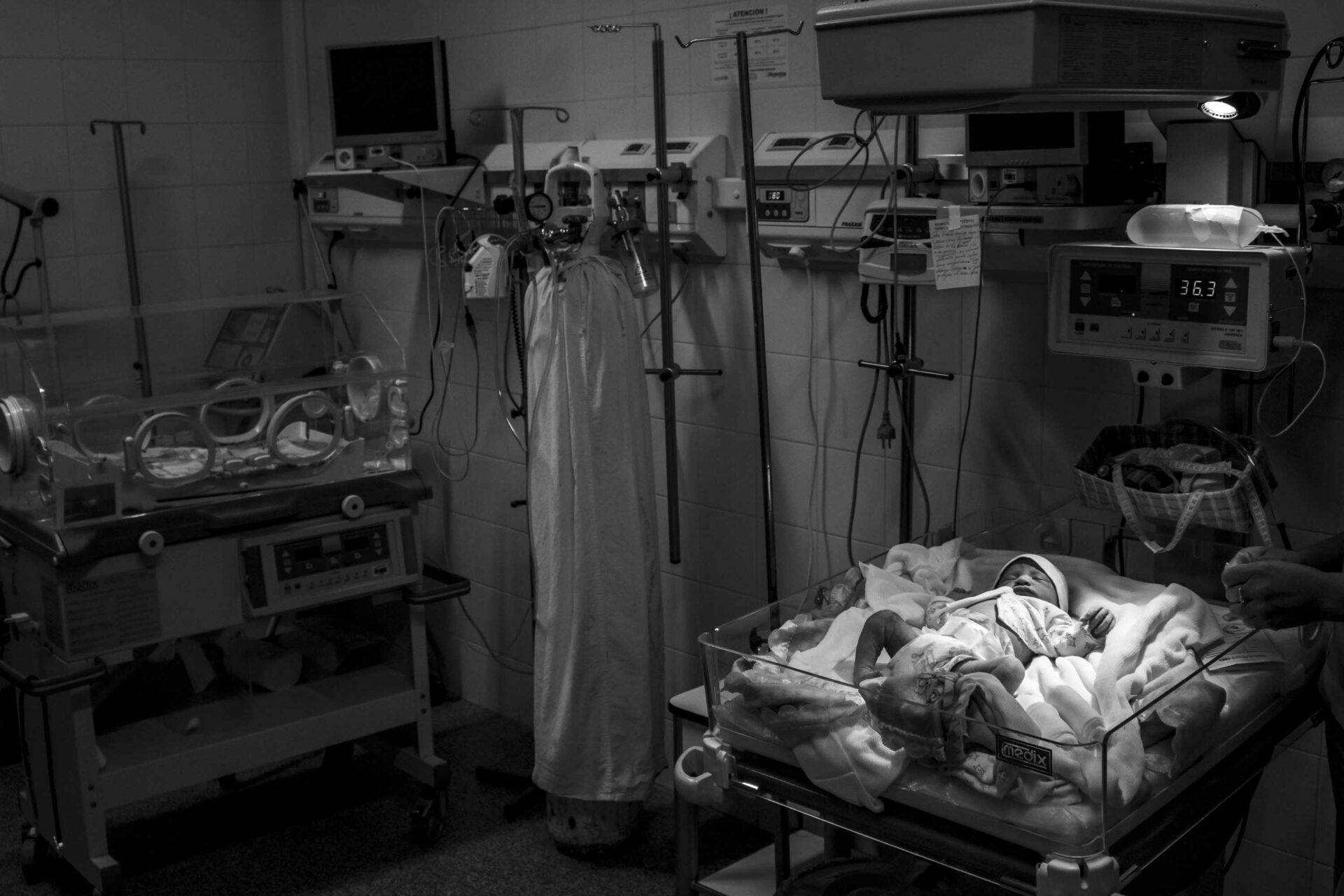
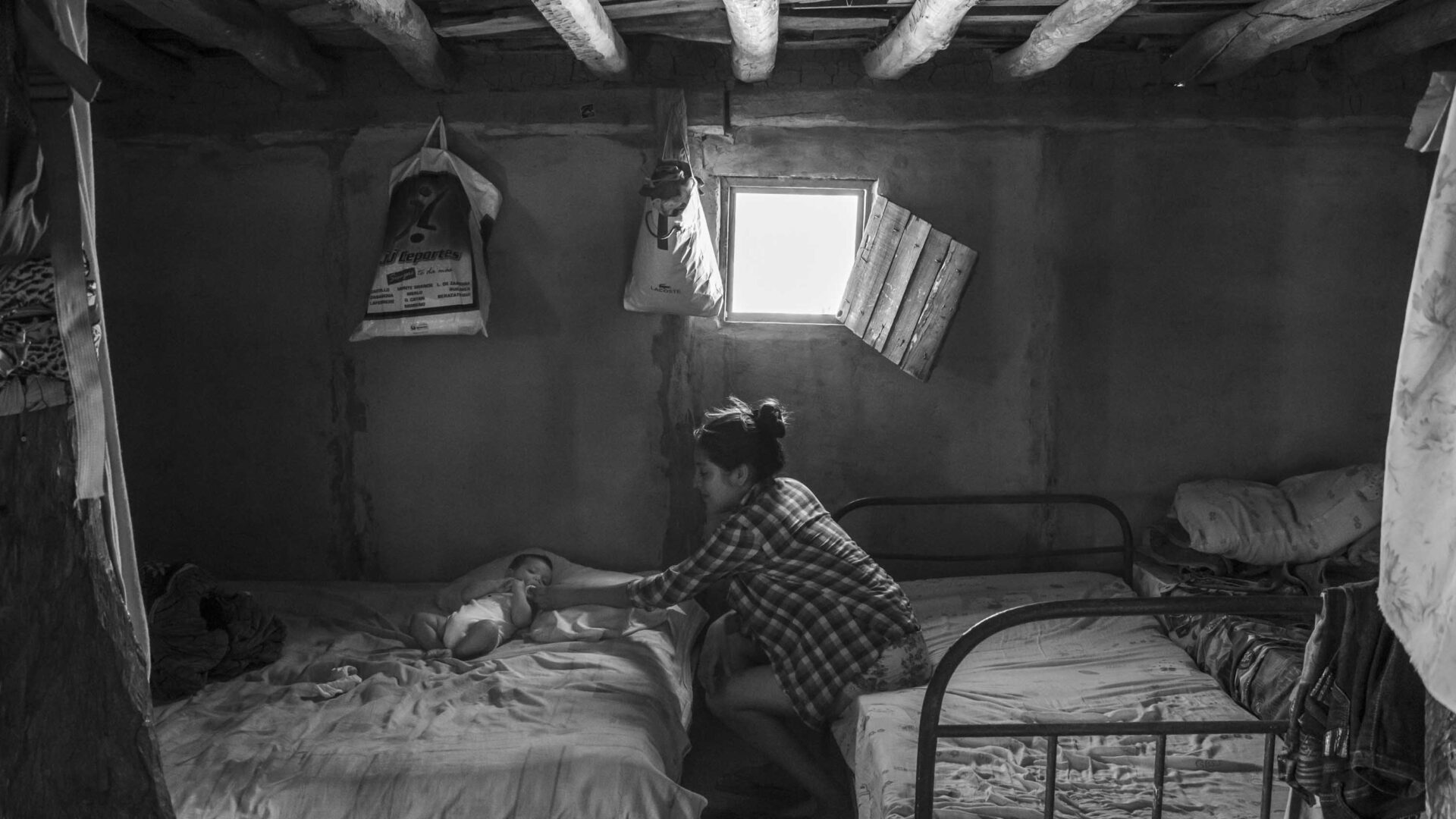
Chagas disease is an infection caused by a Trypanosoma cruzi (T. cruzi) parasite. Although it usually does not present symptoms, in 3 out of 10 people it can cause complications in the heart and digestive system. The transmission can be vectorial, -through the vinchucas or bed bugs infected with the parasite-, or vertical transmission -from the pregnant mother to her children-.
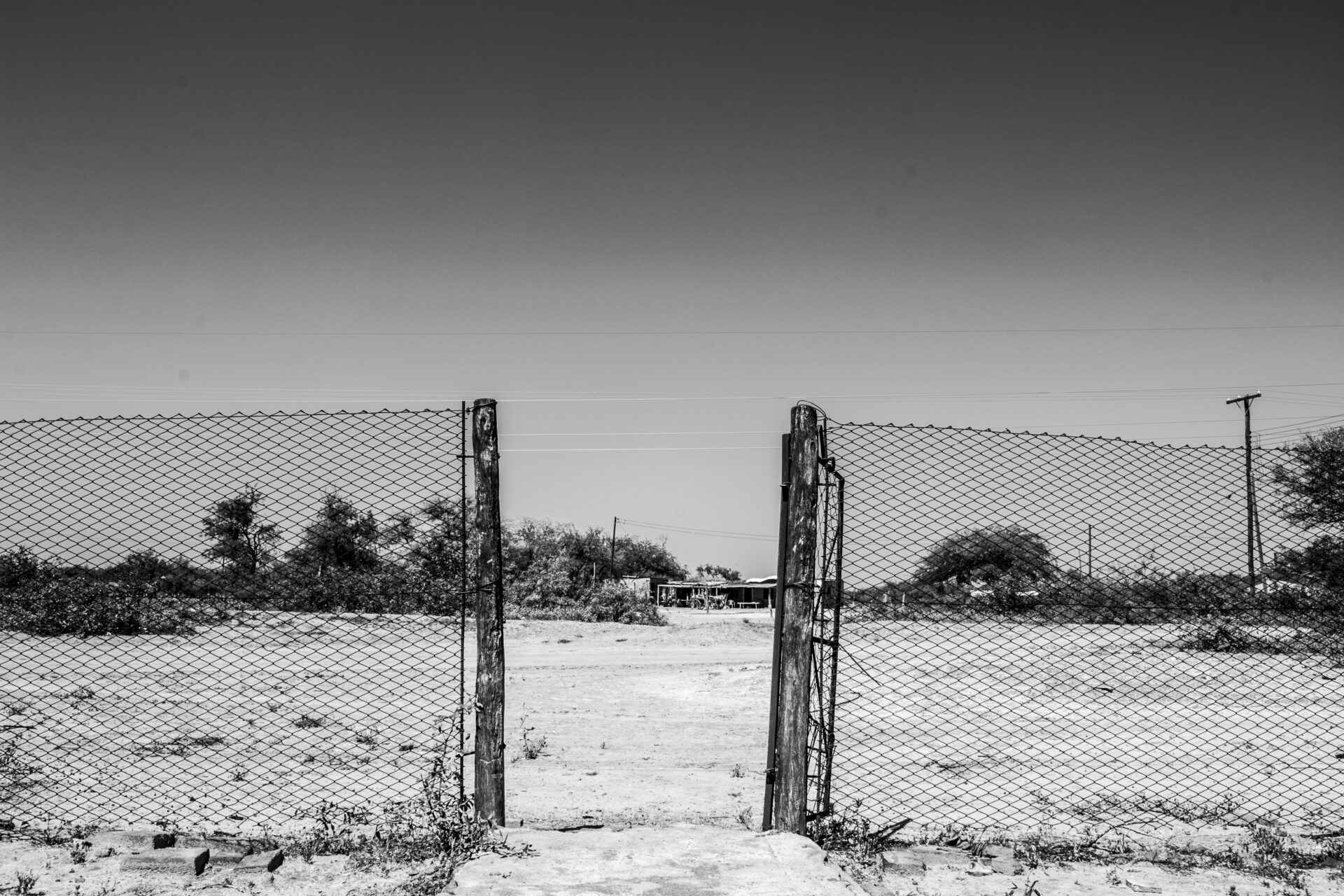
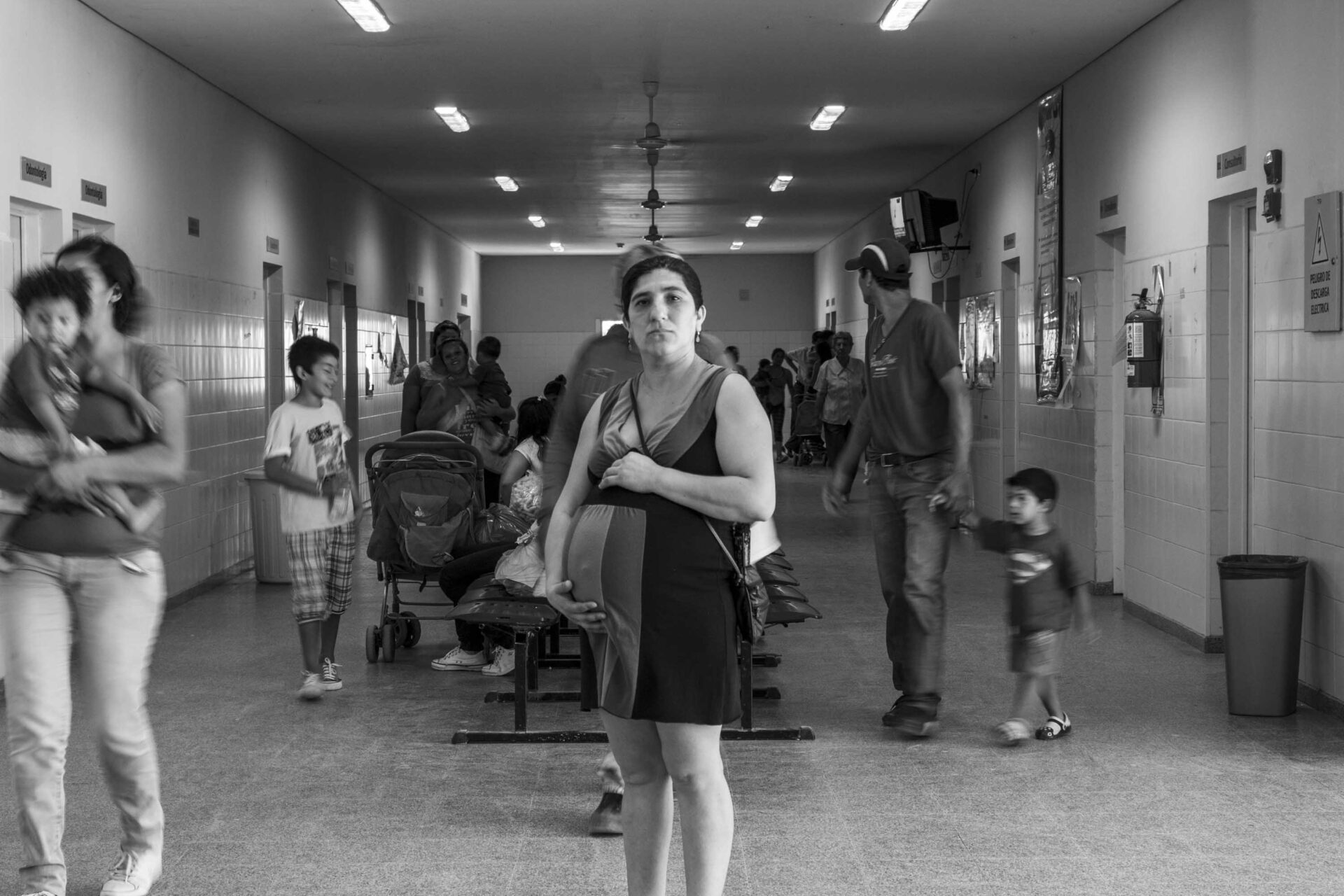
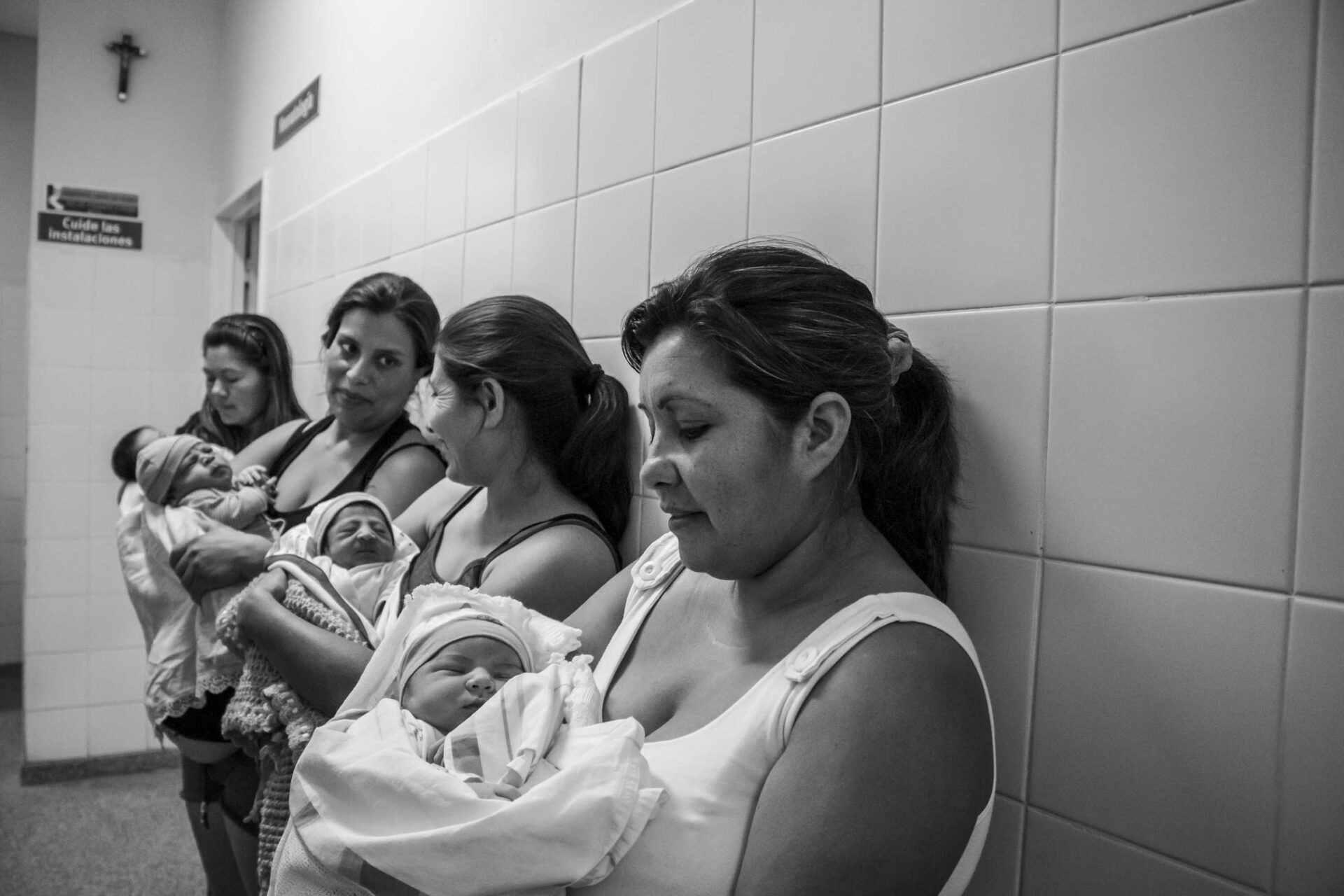
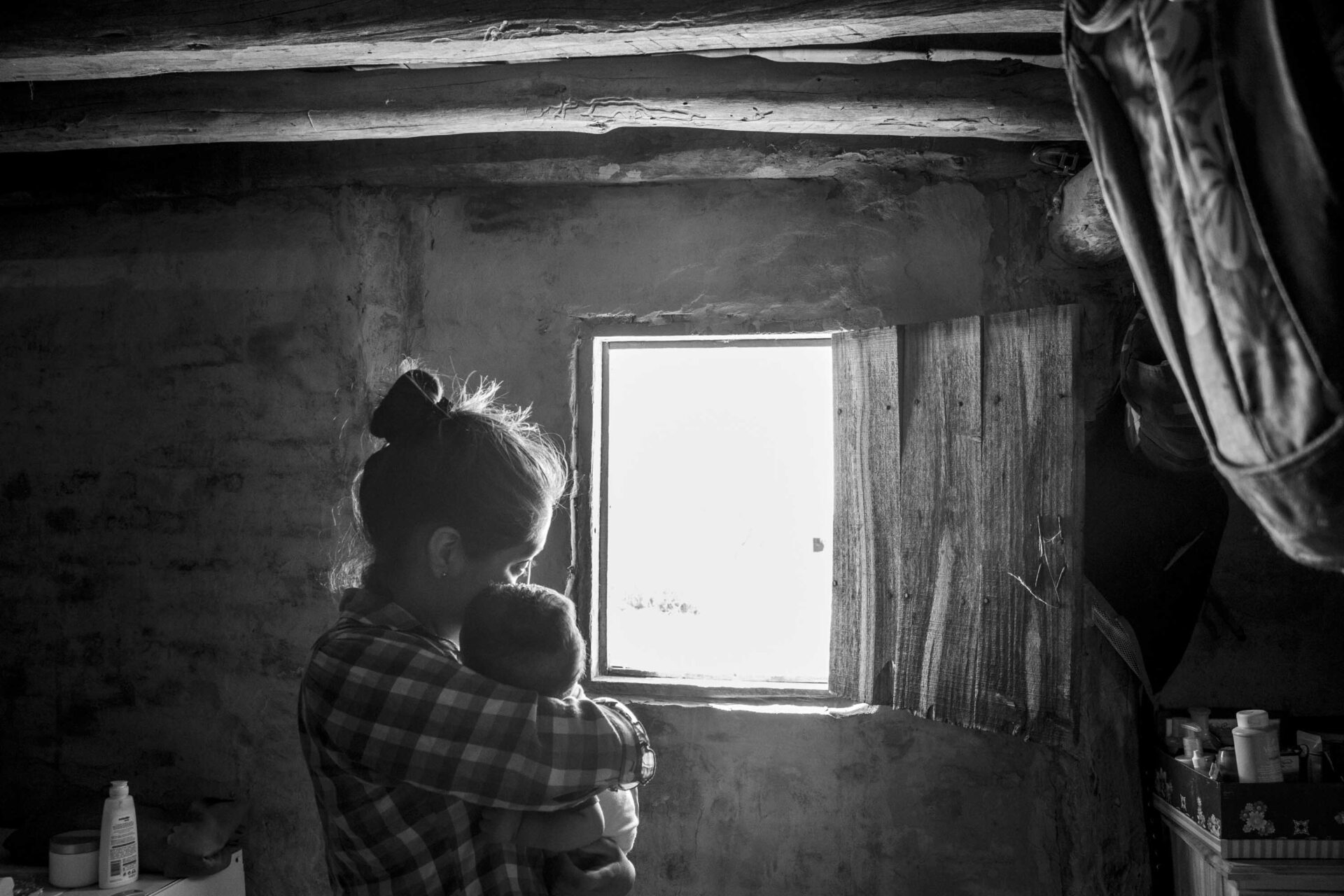
In the city of Añatuya -Santiago del Estero Province- in the north of the Argentine Republic, the Zonal Hospital maternity attends an average of 1000 deliveries per year. The prevalence of Chagas disease in pregnant women is considered one of the highest in the country because at the time of giving birth most of them present with less than 5 check-ups during pregnancy. 1 in 3 pregnant women have Chagas.
Associated with extreme and endemic poverty in 21 Latin American countries, it affects approximately 8 million people in the world, of which 1.2 million are women of childbearing age. According to the WHO (World Health Organization), more than 95% of them are unaware of their status.
In Argentina, the data is worrisome since it is estimated that there are 1.6 million infected, 7 million people at risk of being so, and 1.300 babies born with the disease annually.

Chagas 01
Chagas 02
Chagas 03

Chagas 04

Chagas 05

Chagas 06

Chagas 07

Chagas 08
Chagas 09

Chagas 10
Chagas 11
Chagas 12
Chagas 13
Chagas 14
Chagas 15