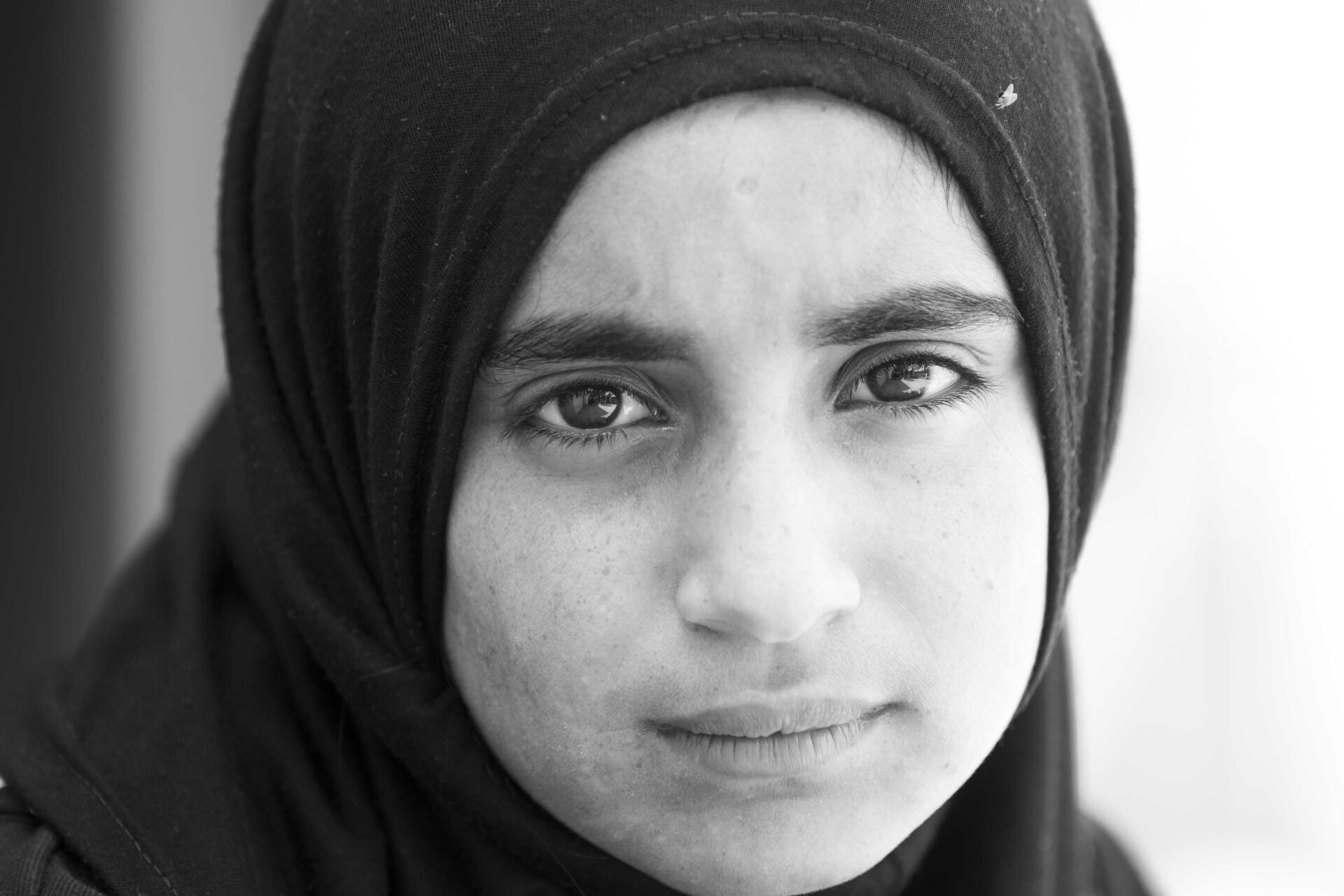
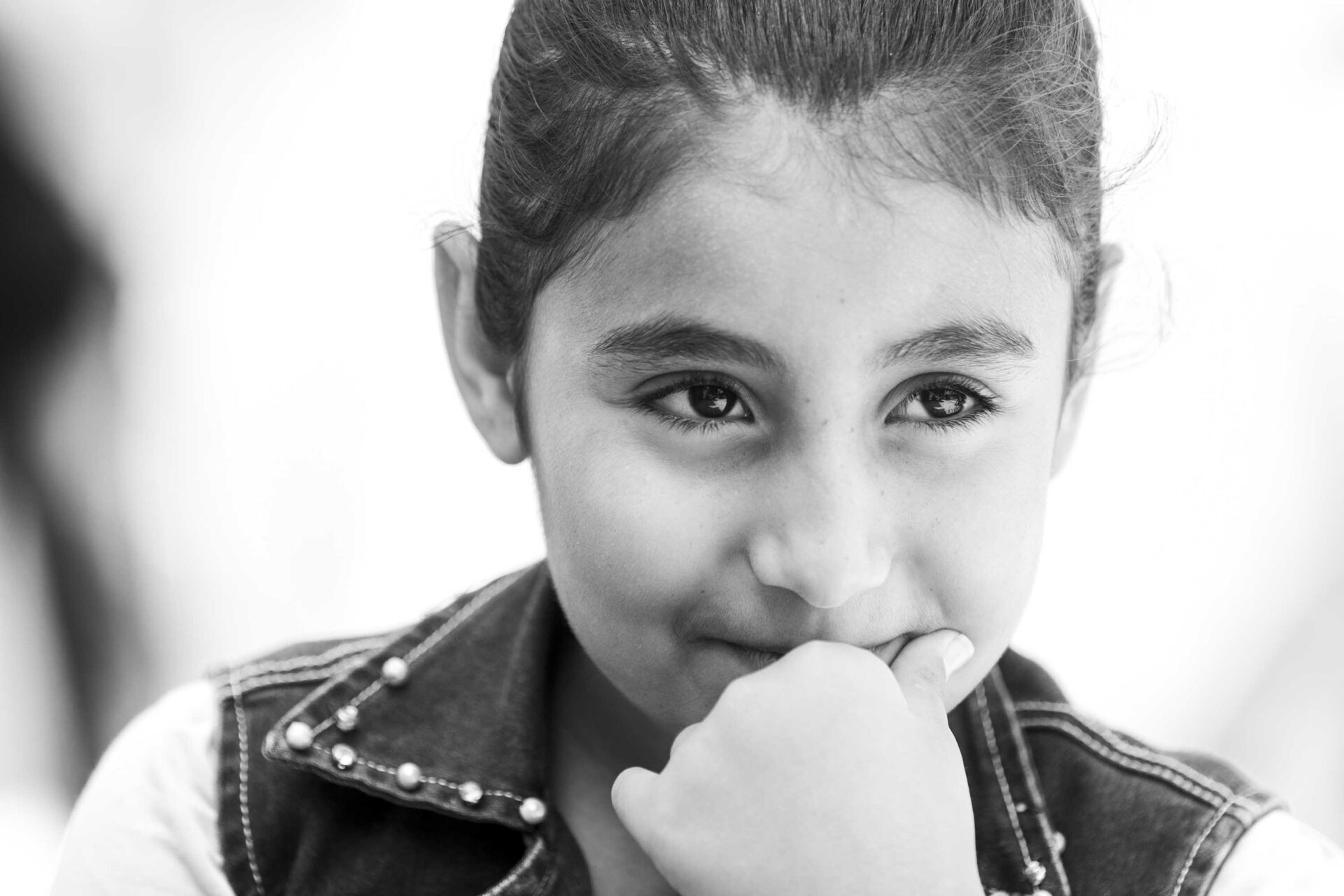
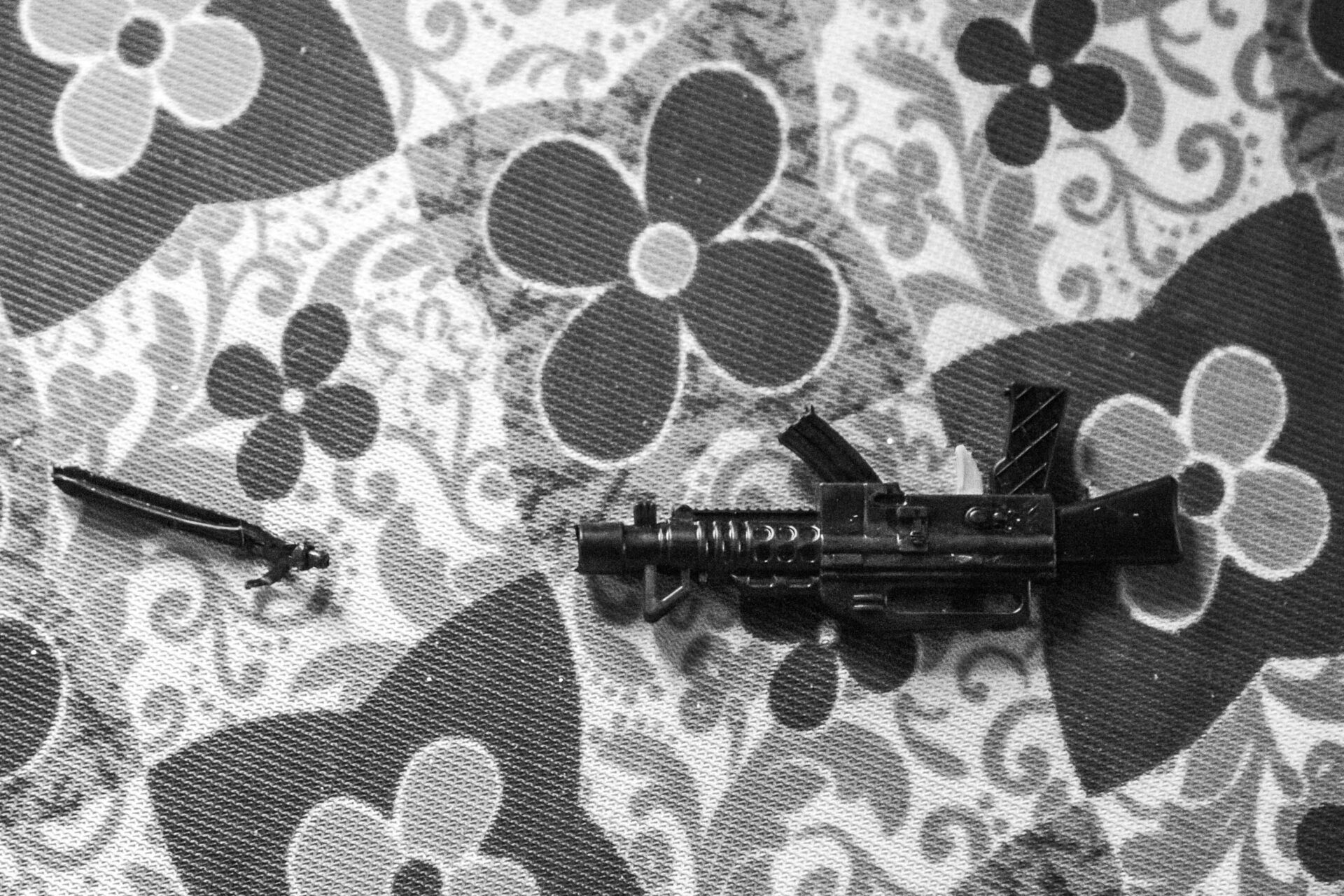
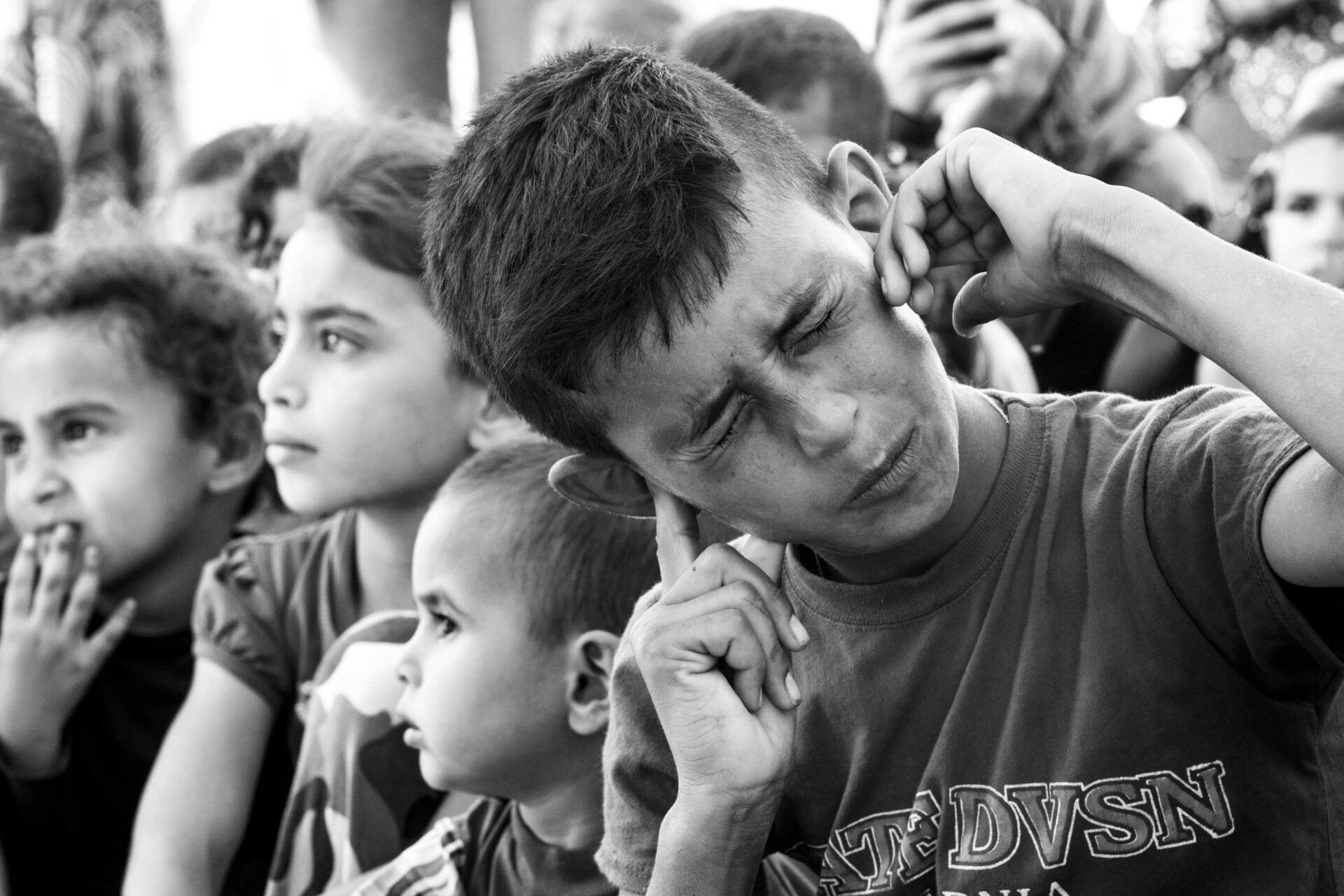
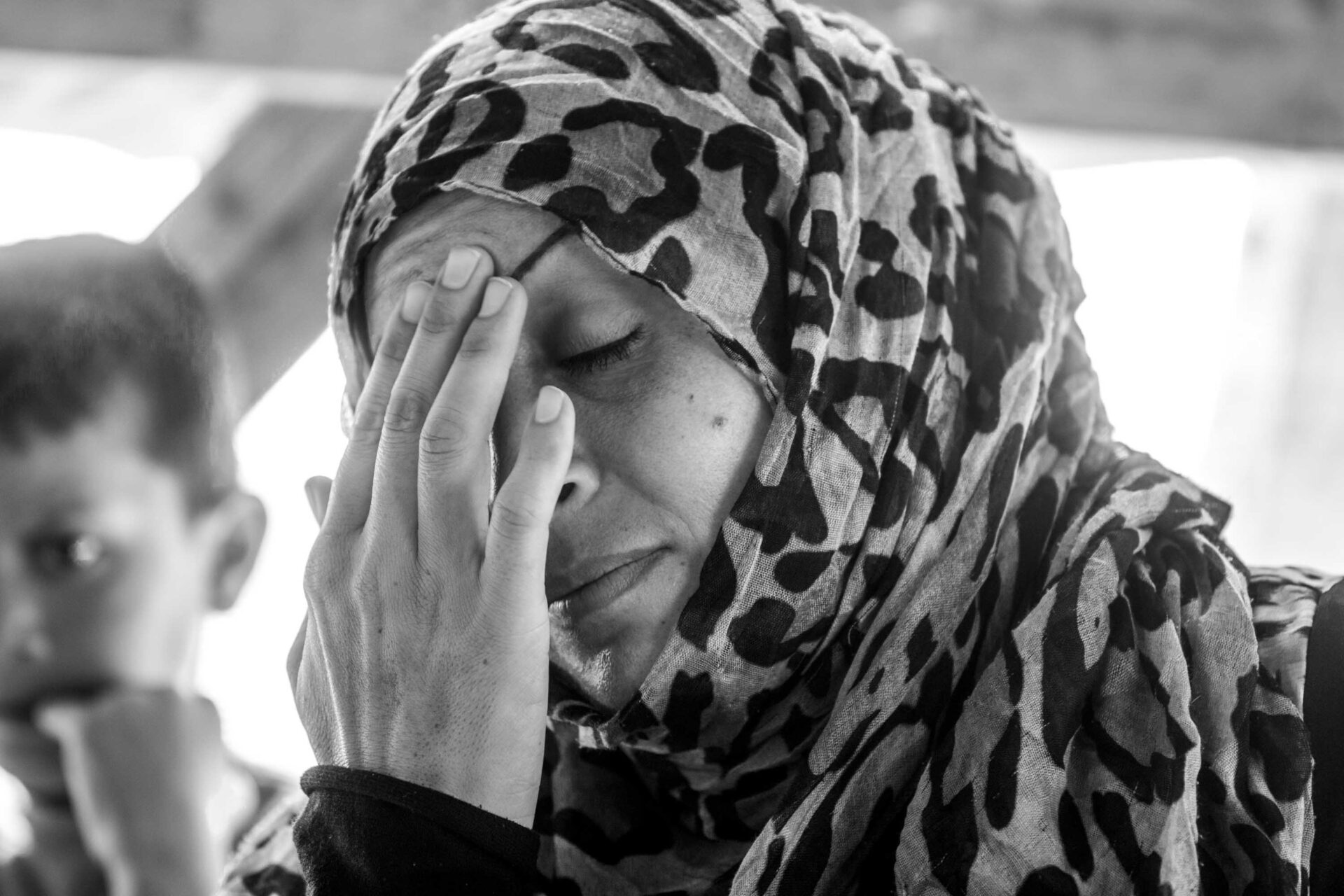
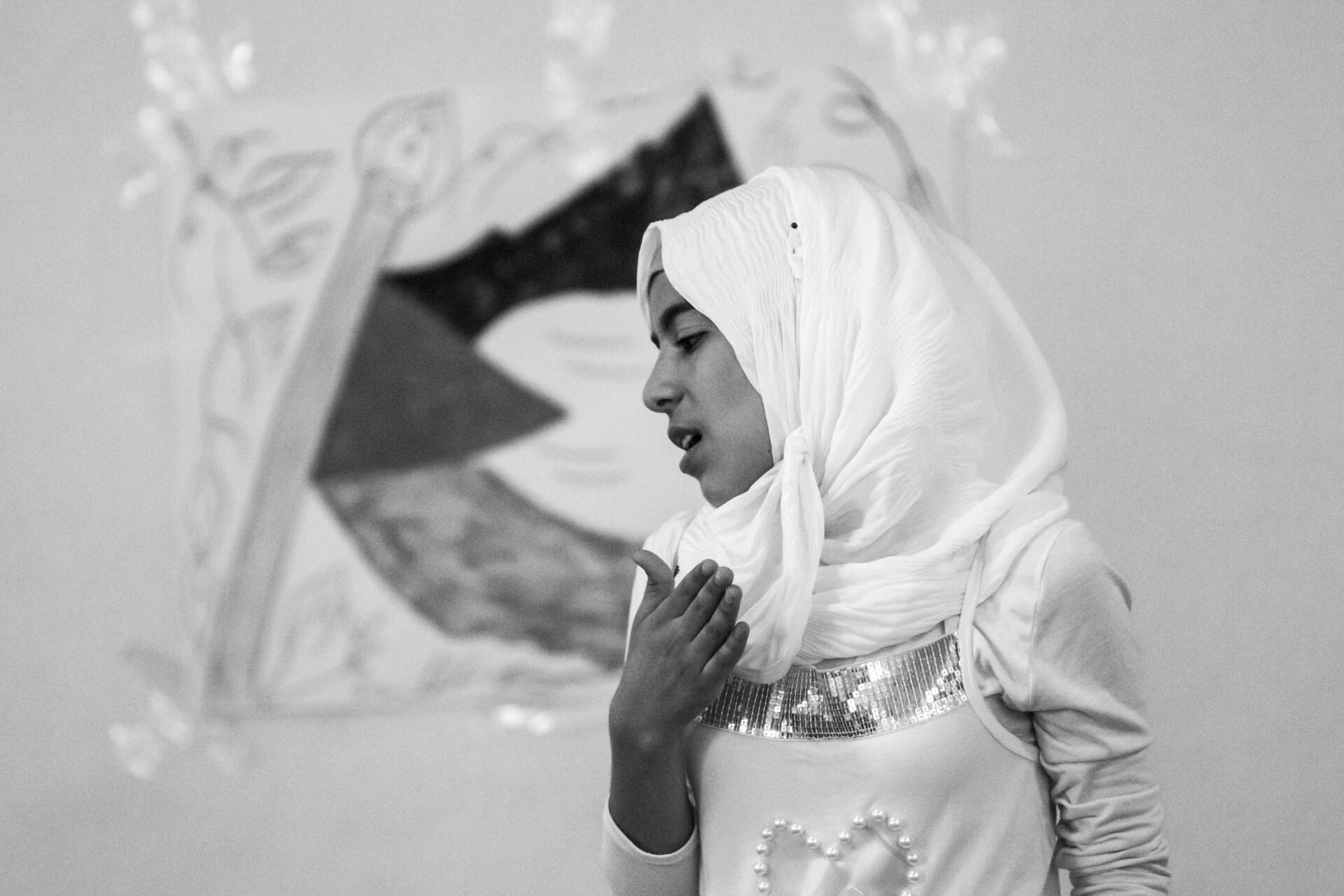
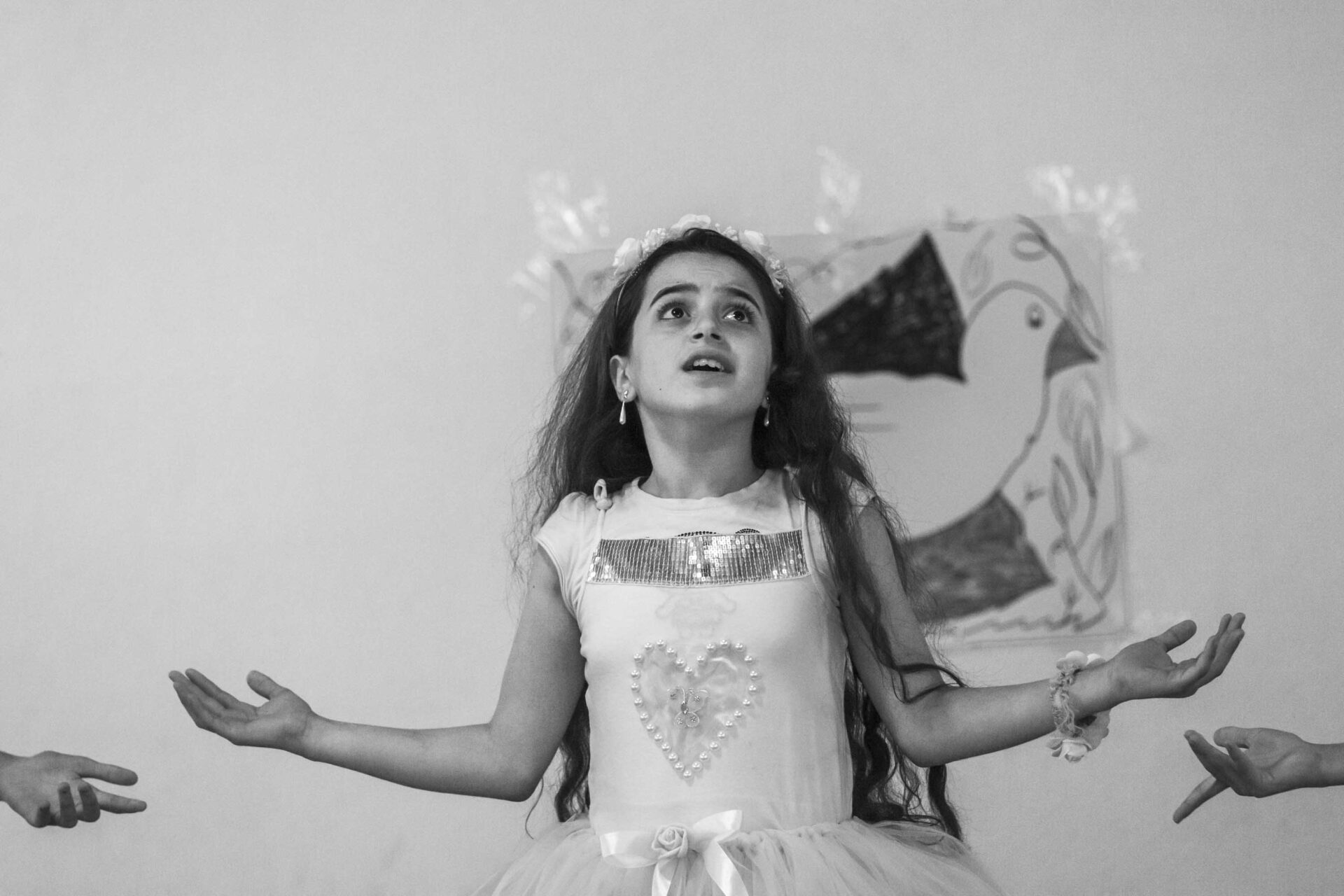
In December 2010, an unprecedented outburst of popular protests and demands for reforms was triggered in the Middle East and North Africa named the “Arab Spring”. The bloodiest armed conflict in the region was in Syria, where in response to the brutal repression by Bashar Al-Assad’s government of the massive protests that took place on March 15, 2011 in the city of Damascus, the Syrian capital, a civil war between the Regime, the opposition forces and the Islamist militias that function until today. Heinous crimes are being committed on a massive scale, and half the population has been displaced.
Before the war broke out, more than 10 years ago, Syria had 22.8 million inhabitants, more than half of whom have been displaced to neighboring countries.
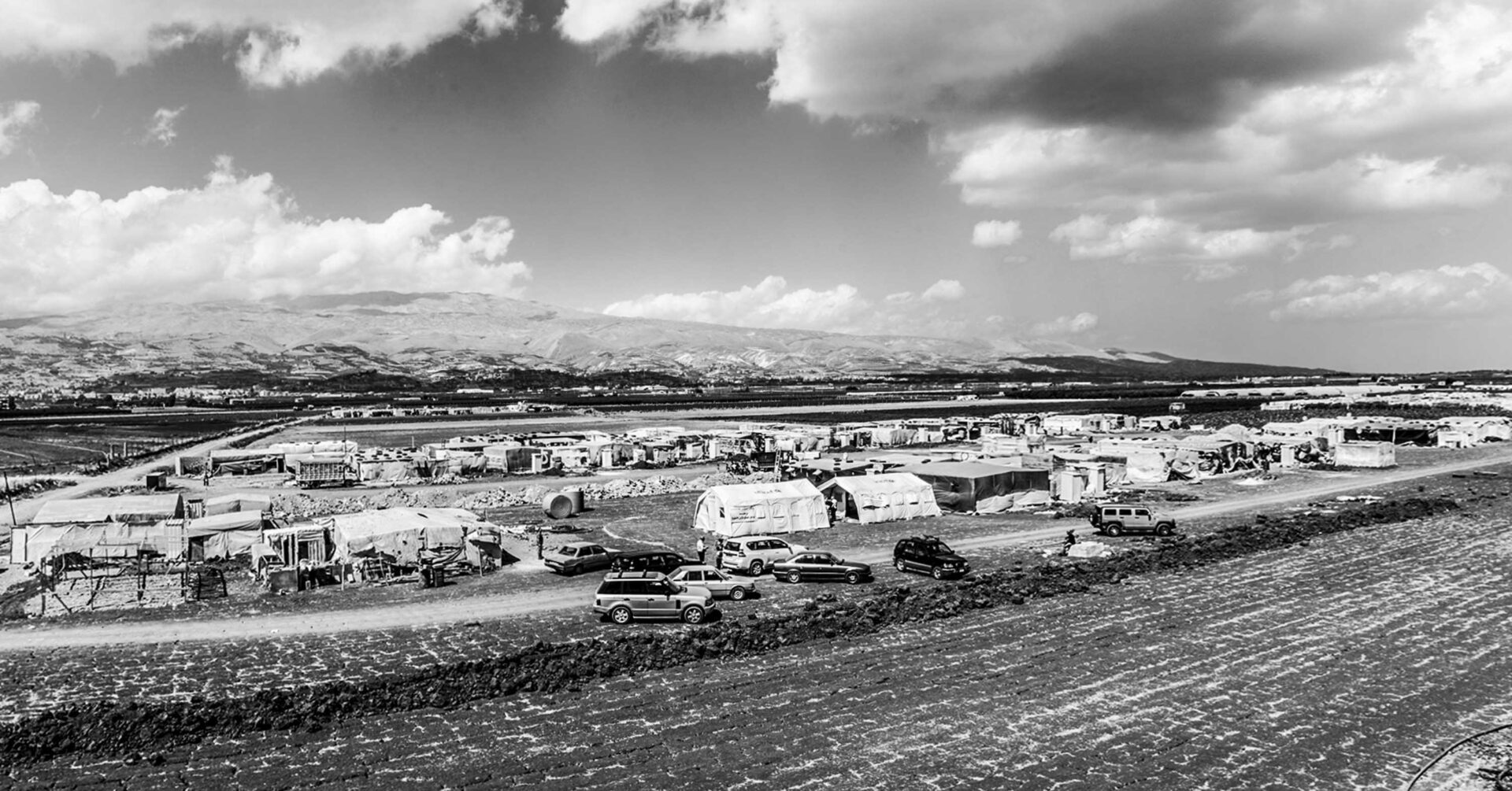
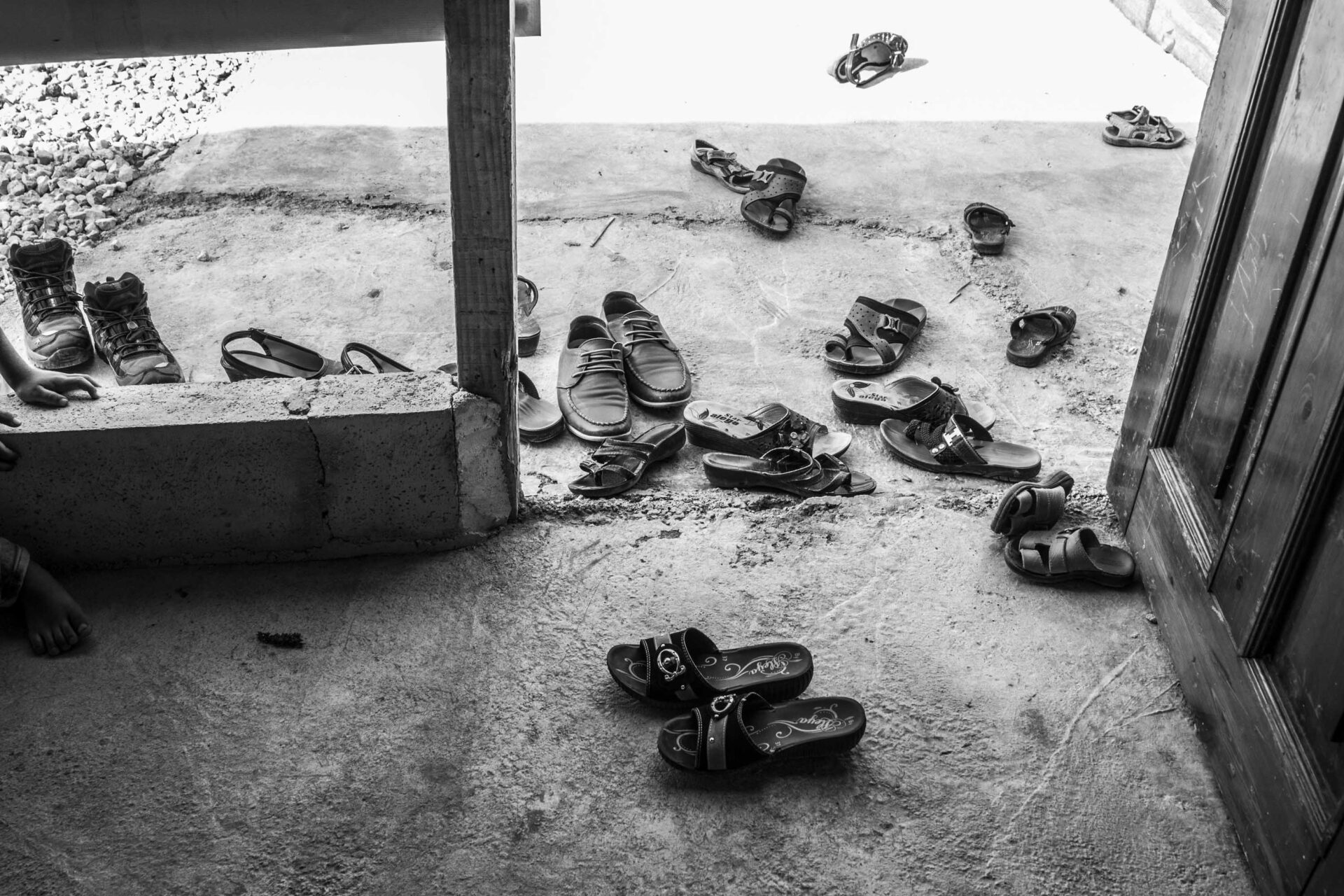
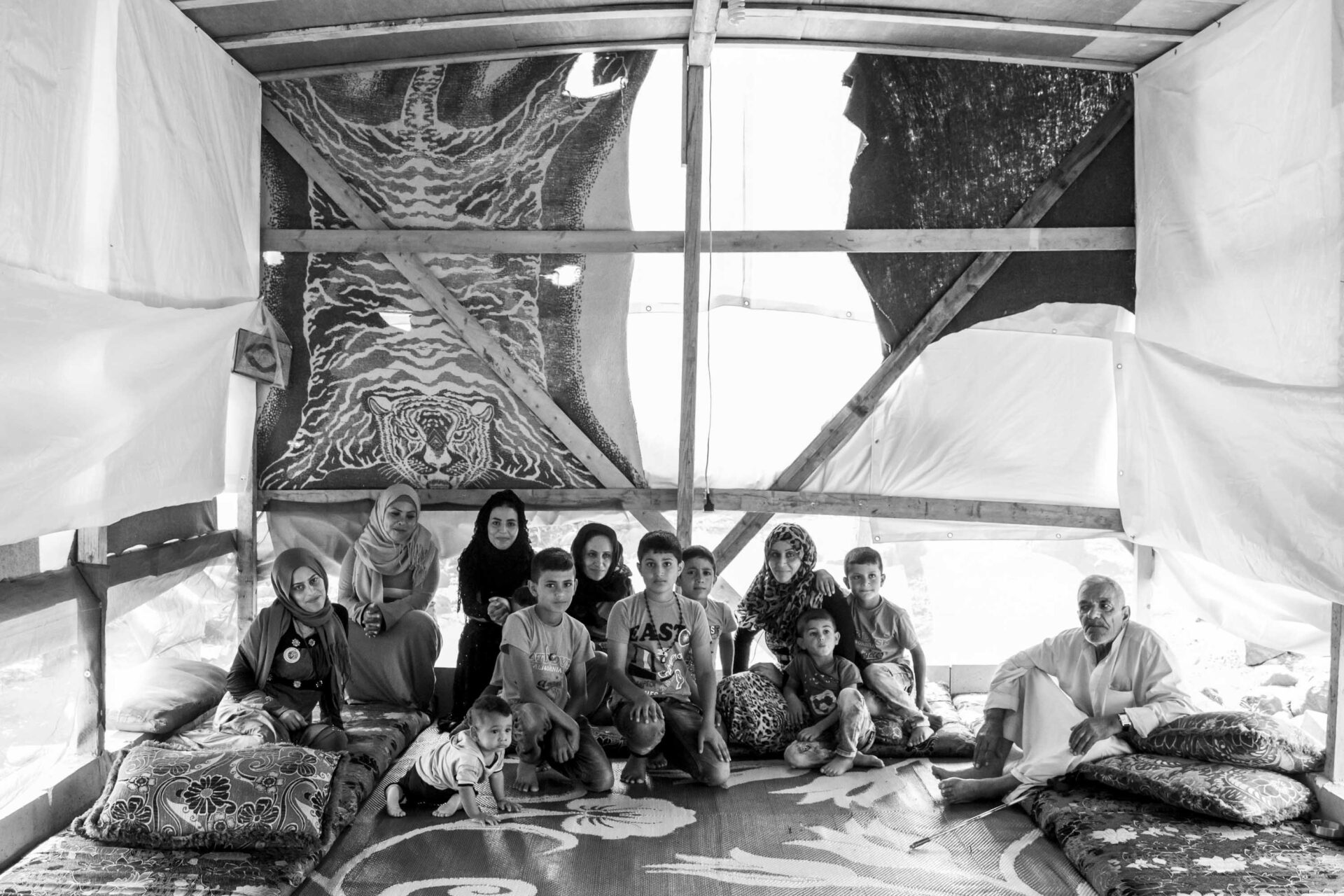
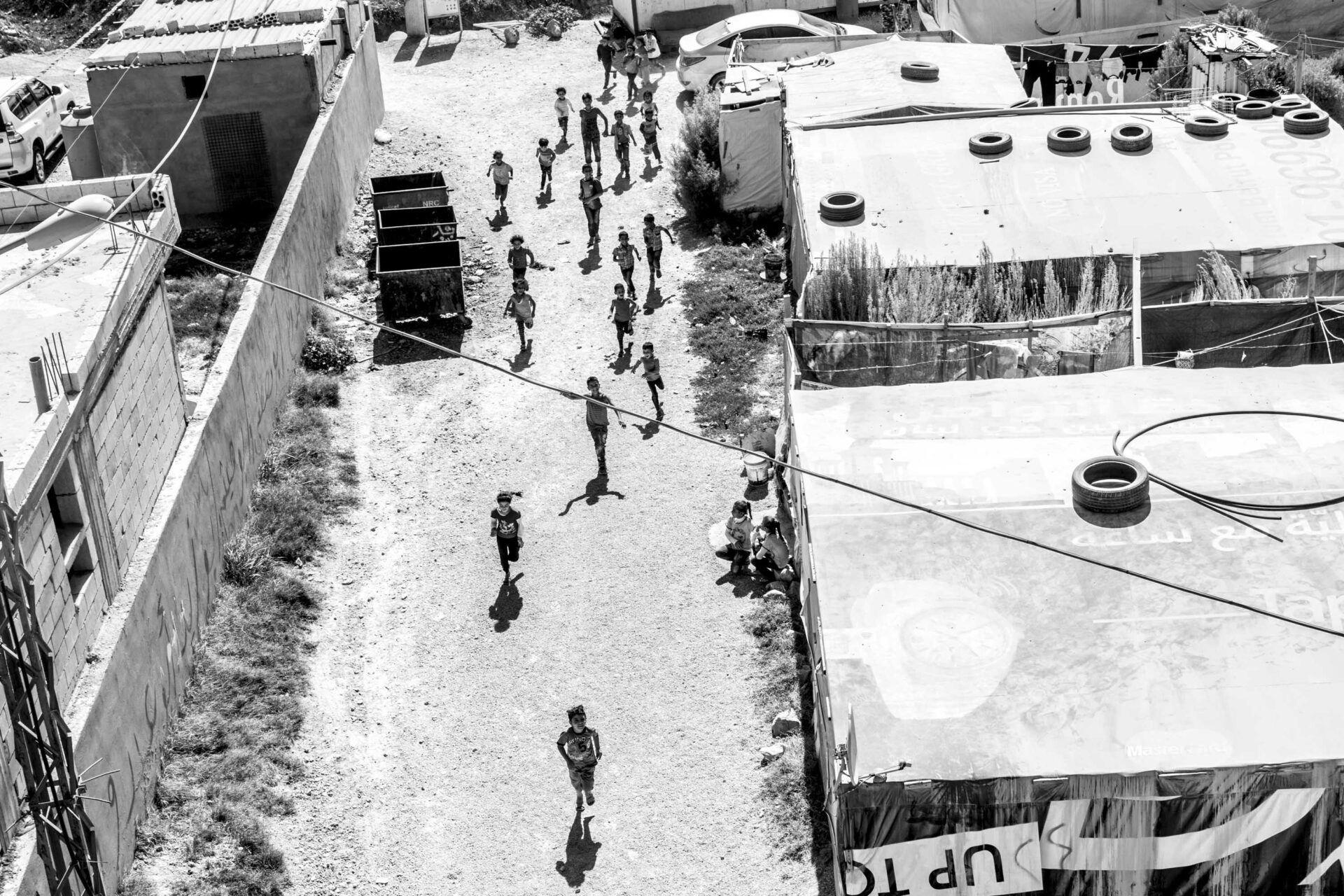
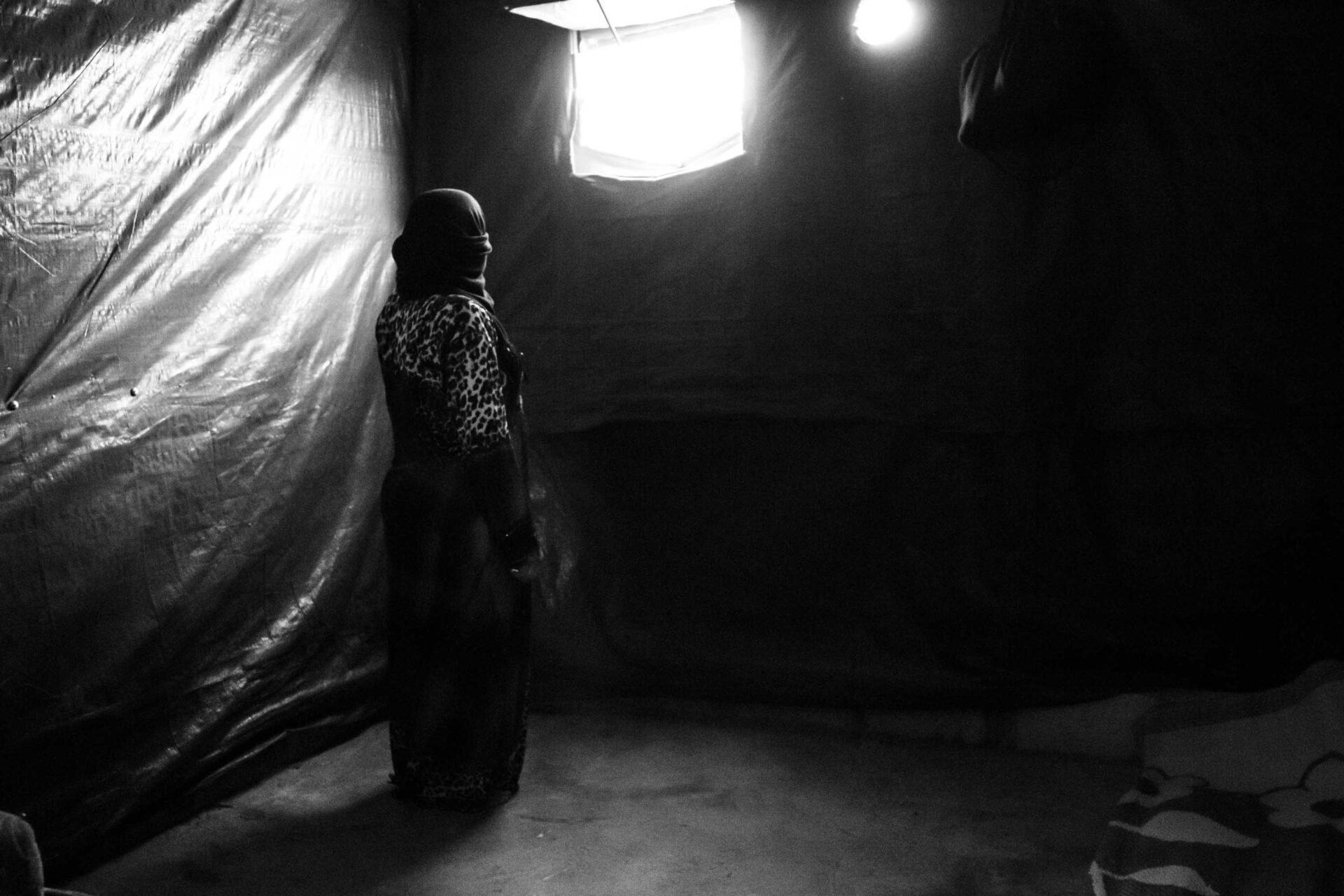
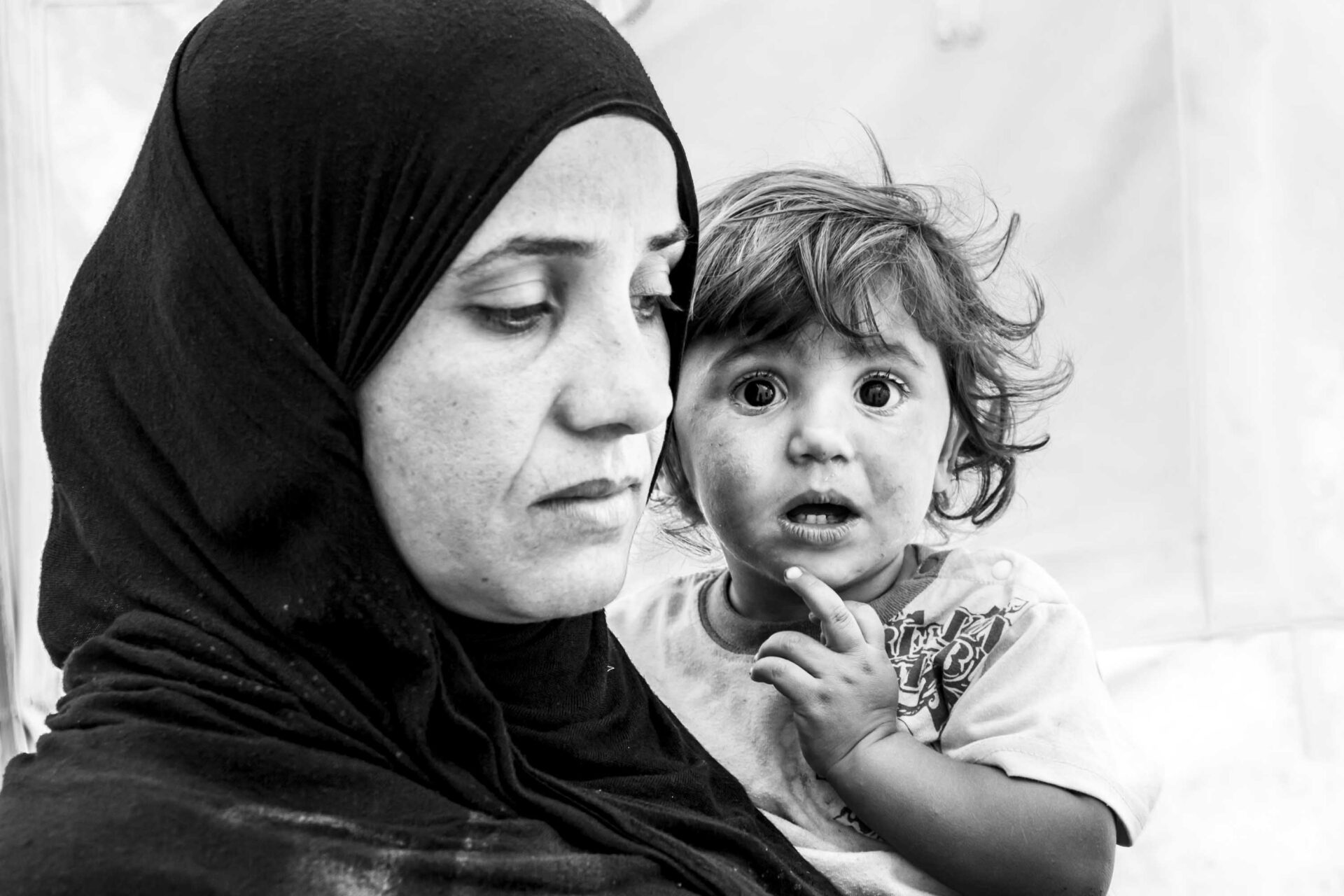
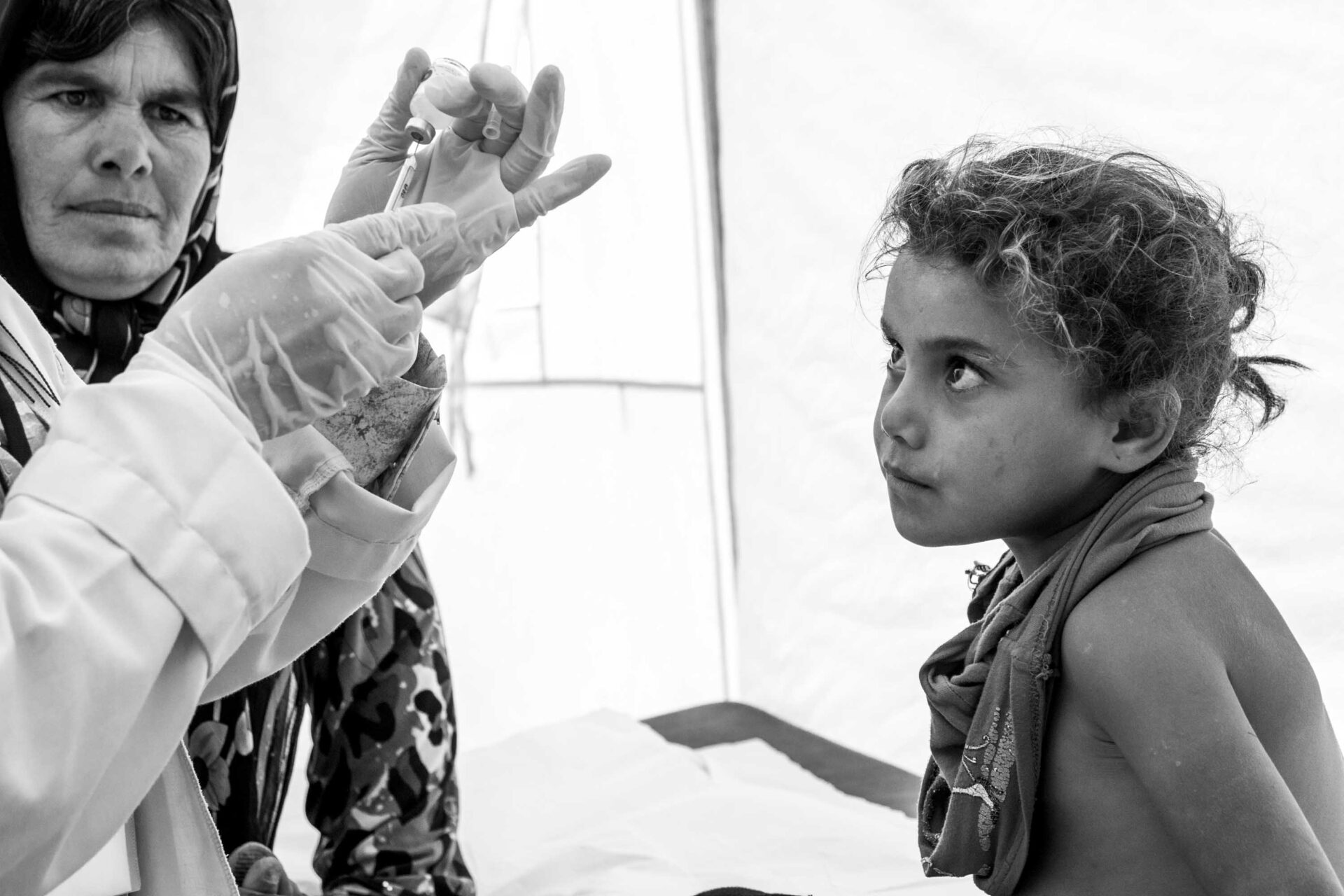
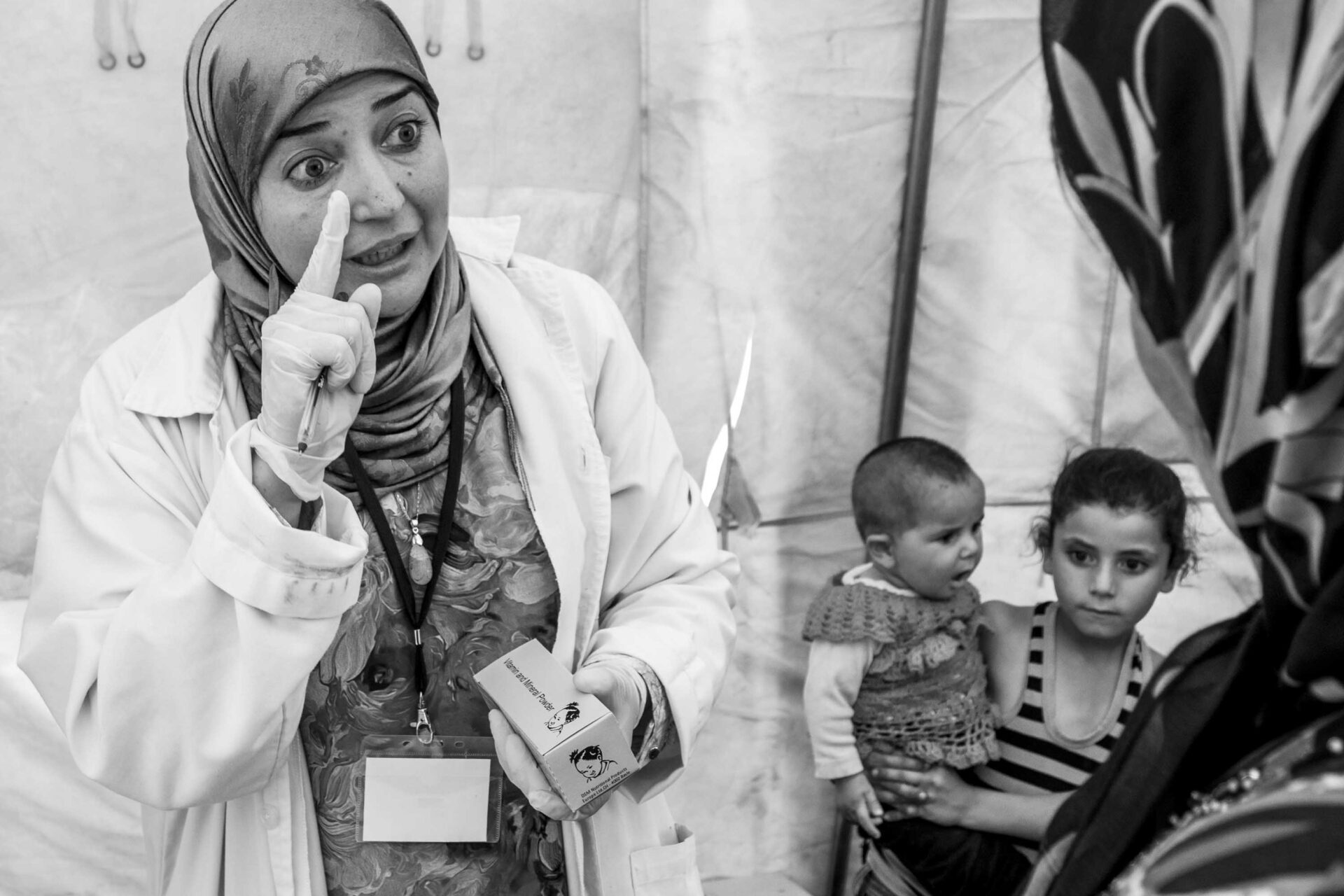
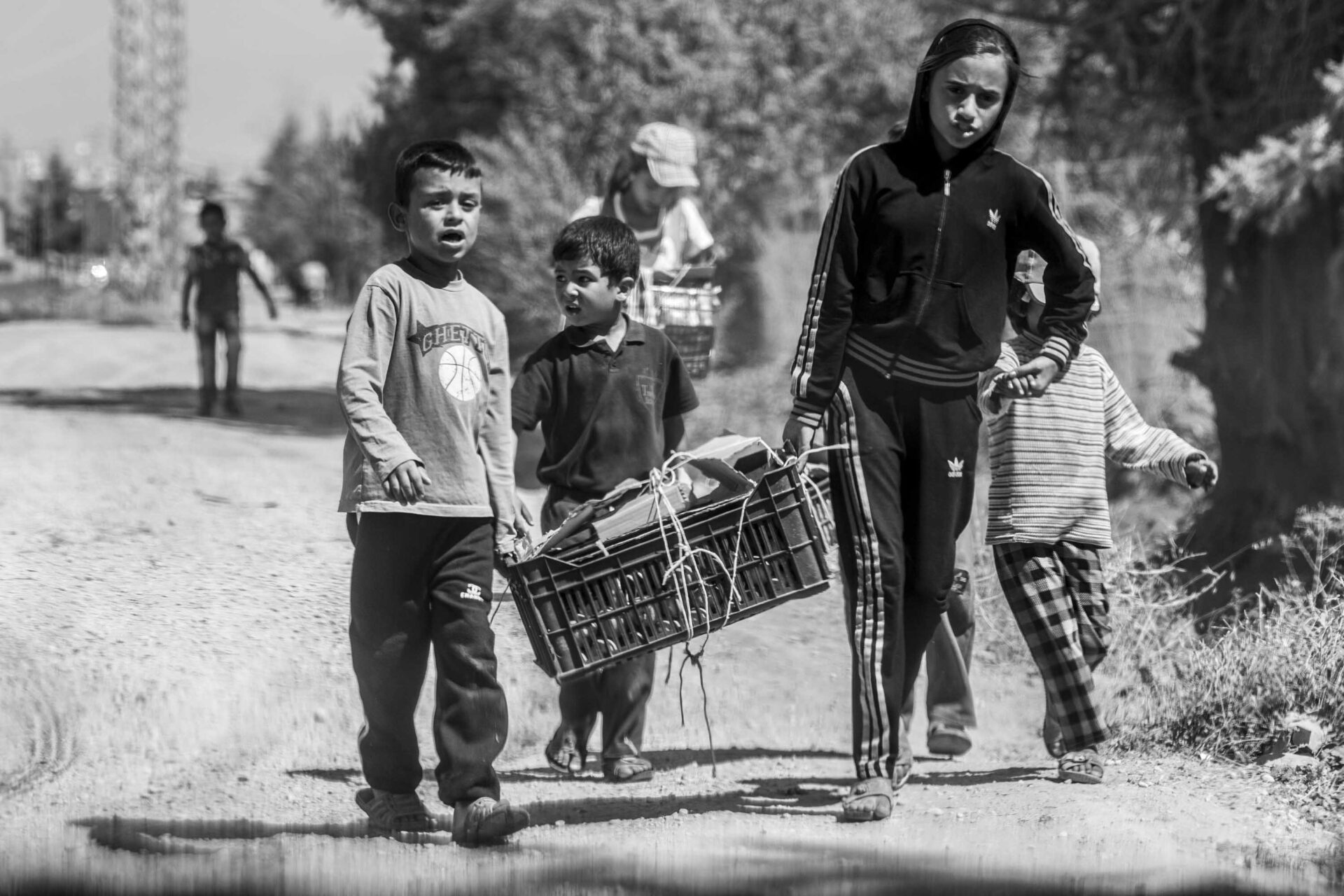
Lebanon is a very small country, with a length of 250 km long by 50 km wide, it is the country with the highest concentration of refugees per capita in the world, where 1 in 5 people is a refugee. 1.2 million are directly associated with the crisis in Syria and 400,000 are children between the ages of 6 and 4. Only half have access to education (statistics as of September 2016). Be Mine is a city located in Lebanon bordering to the north and east with Syria. There is one of the many refugee camps. If there is something present in all of them, it is the precariousness in which Syrian families find themselves: they do not have papers, they live – or survive – in informal camps, and they wait for the war to end with the hope of one day returning. The situation is one of collapse: that´s why the schools work in several turns to offer education to Syrian children. Water and electricity work with deficit. The refugee situation is painful and international aid is not enough. According to official data as of September 2016, United Nations humanitarian funding reaches 60% and the funds are insufficient.